01
Avalanche risk mitigation
For many decades, the concept of “absolute safety” was used in the context of avalanche protection. The ambitious goal was to reduce or entirely eliminate risks and exposures affecting people and property. Over time, it became clear that this goal was unachievable. Nowadays it is clear, that this approach led to a false perception of security, since many dangers, by their very nature, cannot be completely eliminated.
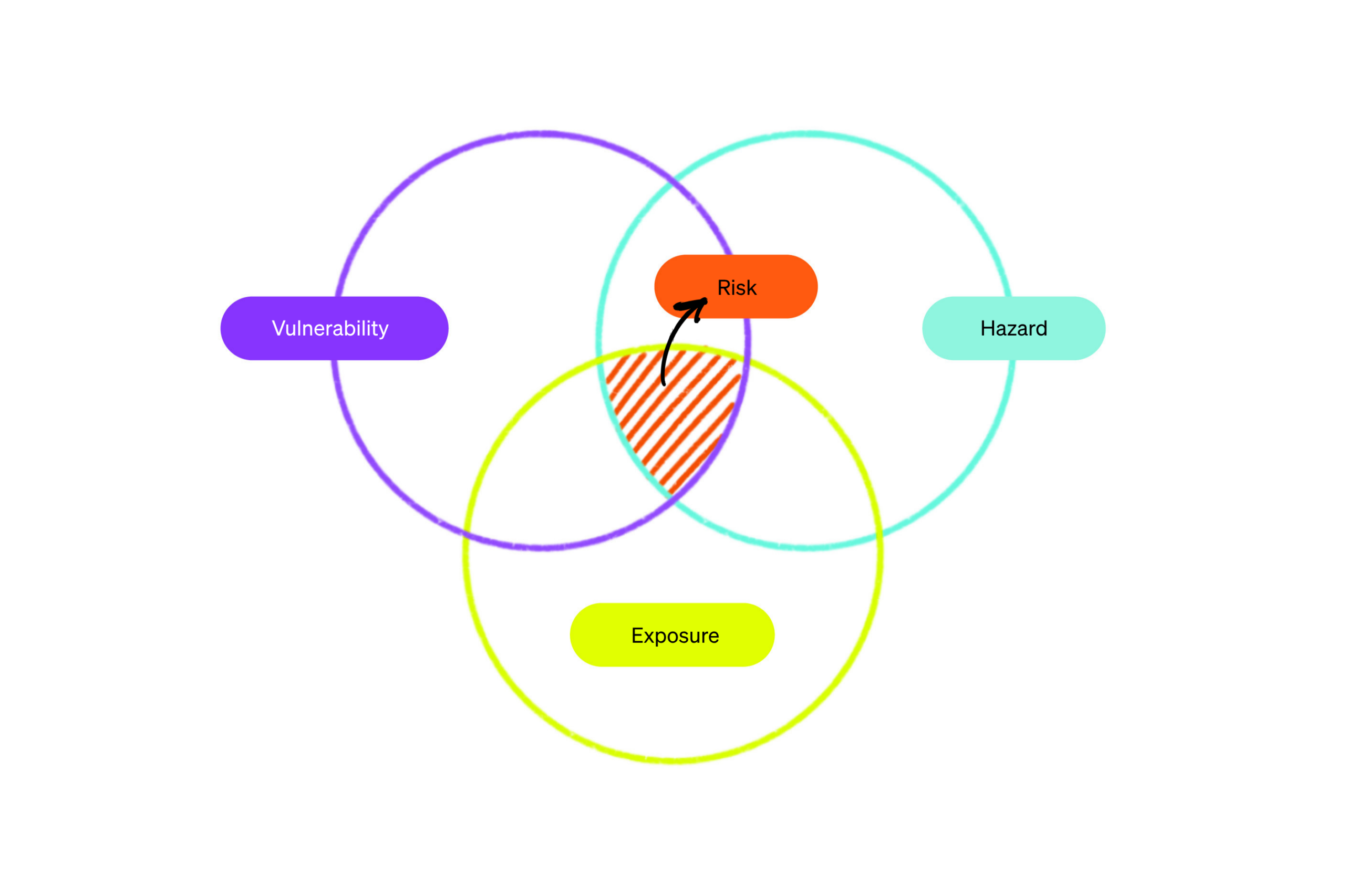
Today, the primary objective of avalanche risk management is no longer the total elimination of the danger but the mitigation of the risk. Mitigation is a more pragmatic and achievable approach that focuses on addressing two of the three components of risk: exposure and vulnerability. By recognizing the impossibility of eliminating risk, mitigation accepts the existence of a certain level of risk, called residual risk.
02
The residual risk
Residual risk is that level of risk that
- persists even after all reasonable mitigation measures have been implemented (types of mitigation measures – see Permanent technical avalanche protection and its limits.
- cannot be eliminated entirely, or its elimination would be excessively burdensome and disproportionate to the benefits;
- is intrinsic to the coexistence of natural hazards and human activities in a given area.
ATTENTION: residual risk does not necessarily imply a low risk from the perspective of the probability of occurrence! In fact, the probability of the event occurring remains the same, but what is effectively reduced or managed are the consequences (or impact) of the event.
03
The acceptable risk
Explaining residual risk requires addressing the concept of accepted risk. The term “acceptable risk” is influenced by several factors. In the context of risk management for avalanche commissions, acceptable risk refers to the level of risk that a society, an organization, or individuals are willing to tolerate after considering the potential avalanche events that may affect them.
04
“Zero risk” does not exist
If we look at the risk component diagram (for details see Article “Civil protection terms: risk, hazard, danger, exposure, vulnerability”), the way forward is clear: it is possible to act on vulnerability and/or exposure to reduce the negative consequences of an avalanche event. It is rarely possible to intervene on the hazard. The mitigation process, in fact, involves the accurate identification of the context, the analysis and assessment of hazards and vulnerabilities, with the ultimate goal of reducing the probability of a harmful event occurring or, if it occurs, limiting the severity of its impacts.
For each component of the risk, it is possible to identify the factors that determine it, analyse the elements to be taken into consideration and define the tools useful both for assessment and for planning or mitigation. This analysis makes it possible to systematically understand the causes and conditions that may contribute to the occurrence of an event, to assess the potential impact on the exposed elements and to identify the most effective measures to reduce the negative consequences.
Cover photo: © Luca Messina | snow institute