Physical properties of snow
Snow is a form of frozen water. It consists of many small ice crystals that form into snowflakes.
Knowledge is power – and sound knowledge is the basis of our teaching and learning materials and articels. They convey the teaching content, experiments or presentations that are made available to schools and initiatives in words and images. This saves time-consuming research or internet theft. The contributions are available for you to download in the form of presentations.
The “Knowledge” area and the “Teaching material” download area are divided into three levels:
LEVEL 1
Pupils should learn about topics relating to snow, ice and avalanches and gather knowledge. Here, teachers can find suggestions for topics and corresponding multimedia documents that can be ideally integrated into school lessons. The content is prepared in such a way that it arouses the interest of all children and young people and has the potential for intergenerational learning.
Articles

Snow is a form of frozen water. It consists of many small ice crystals that form into snowflakes.

Pupils who live in the Alpine region should have the opportunity to complete avalanche courses or winter sports safety days.

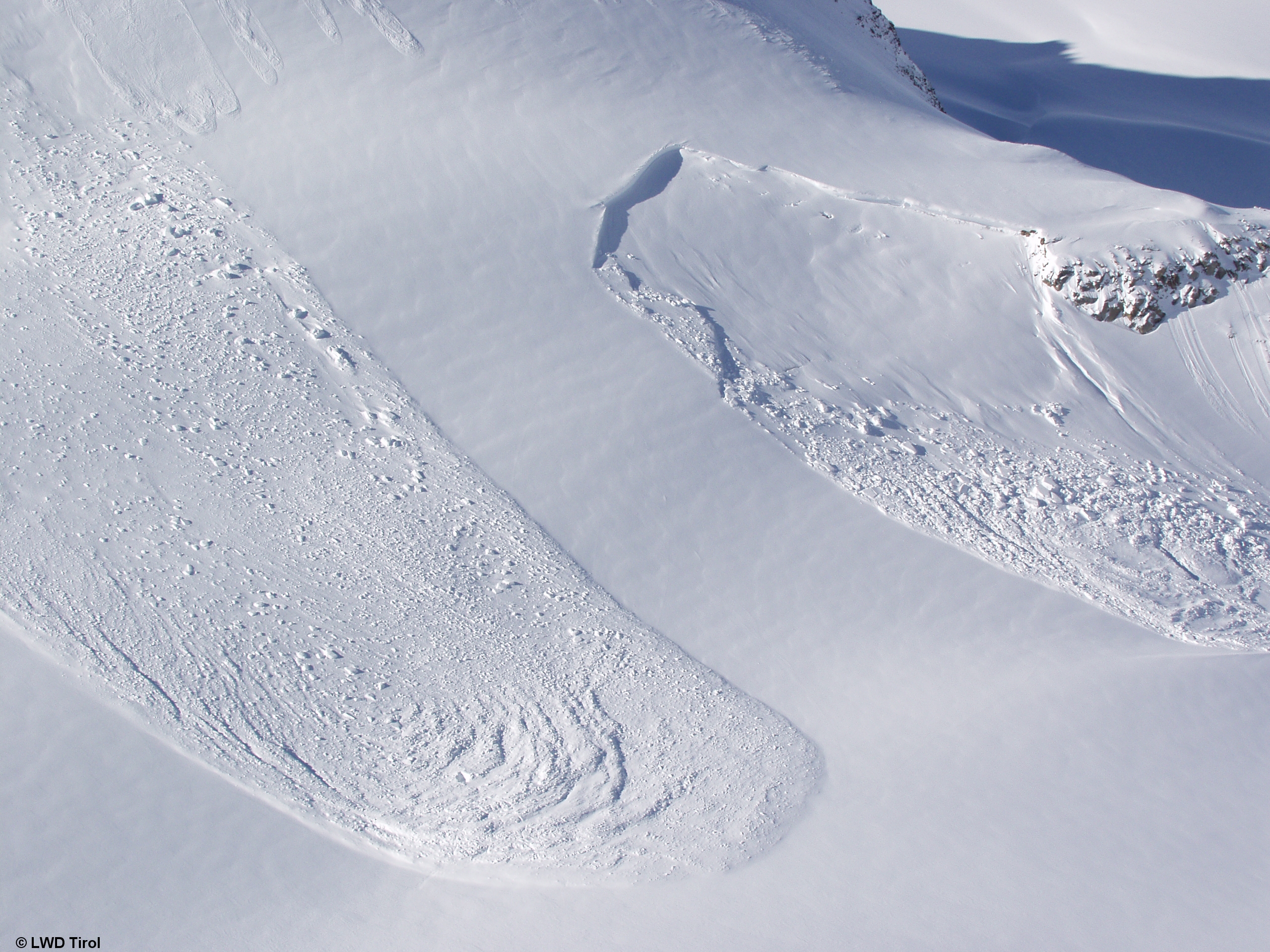
Humans have been exposed to the danger of avalanches ever since the Alpine habitat was colonized. Avalanches are gravity-driven mass movements that pose a potential danger as a result of meteorological conditions.

LEVEL 2
Ideally, all pupils from the alpine region take part in a winter sports week over the course of their school career. Topics that are relevant before or during the winter sports week are presented here. For example, there are materials to teach the basics about the mountain, the ski area, first aid and behavior on the slopes.
Articles

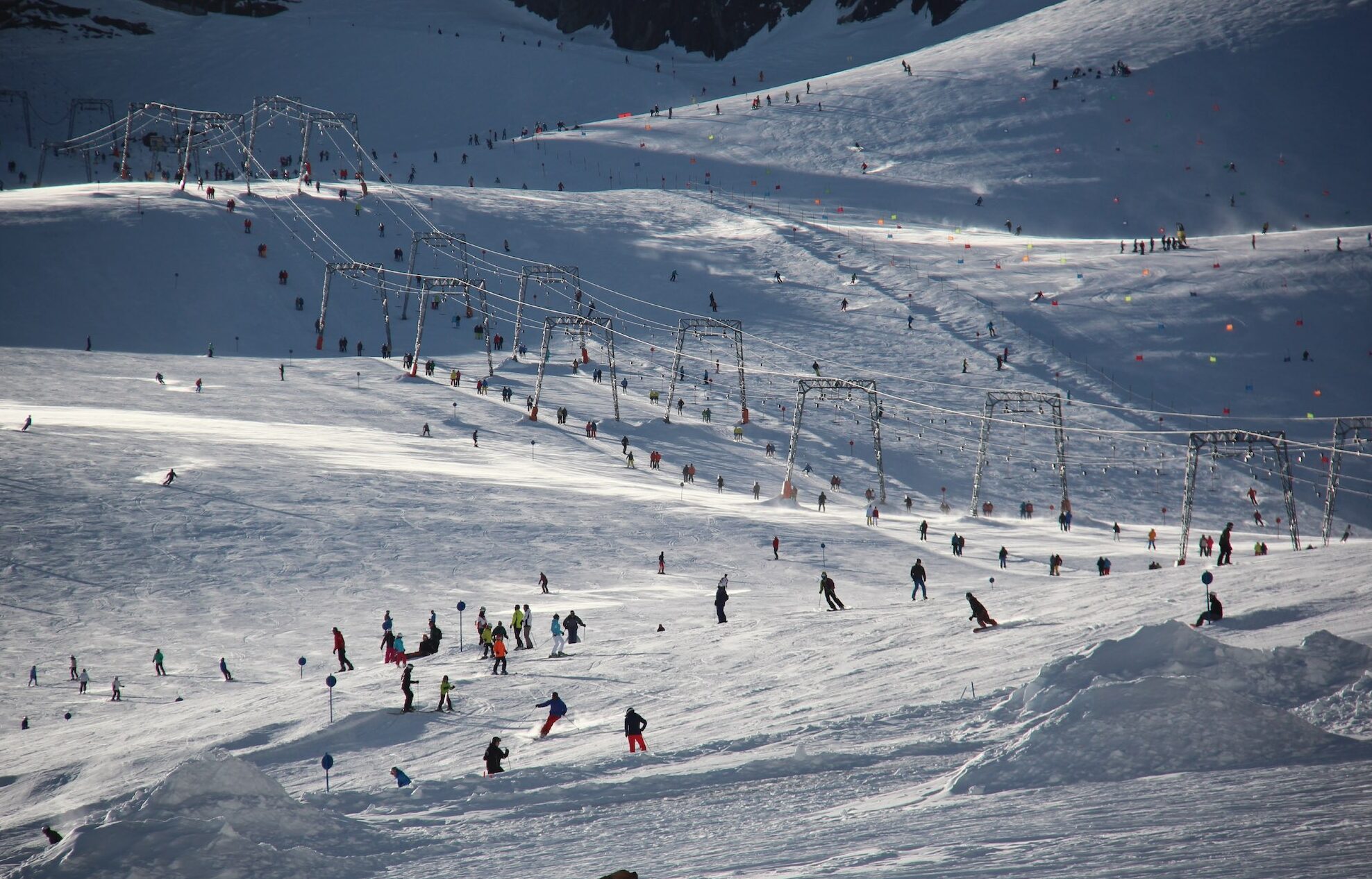
The 10 rules of conduct for skiers & snowboarders regulate how to get along on the slopes.

Communication is omnipresent. Whether freeriding on the mountain, teaching at school or in a private context with friends.

Even on a normal day on the slopes, something can happen. Regardless of whether you or your group is affected by an emergency or you are involved in an accident – you should be prepared for such an event.
LEVEL 3
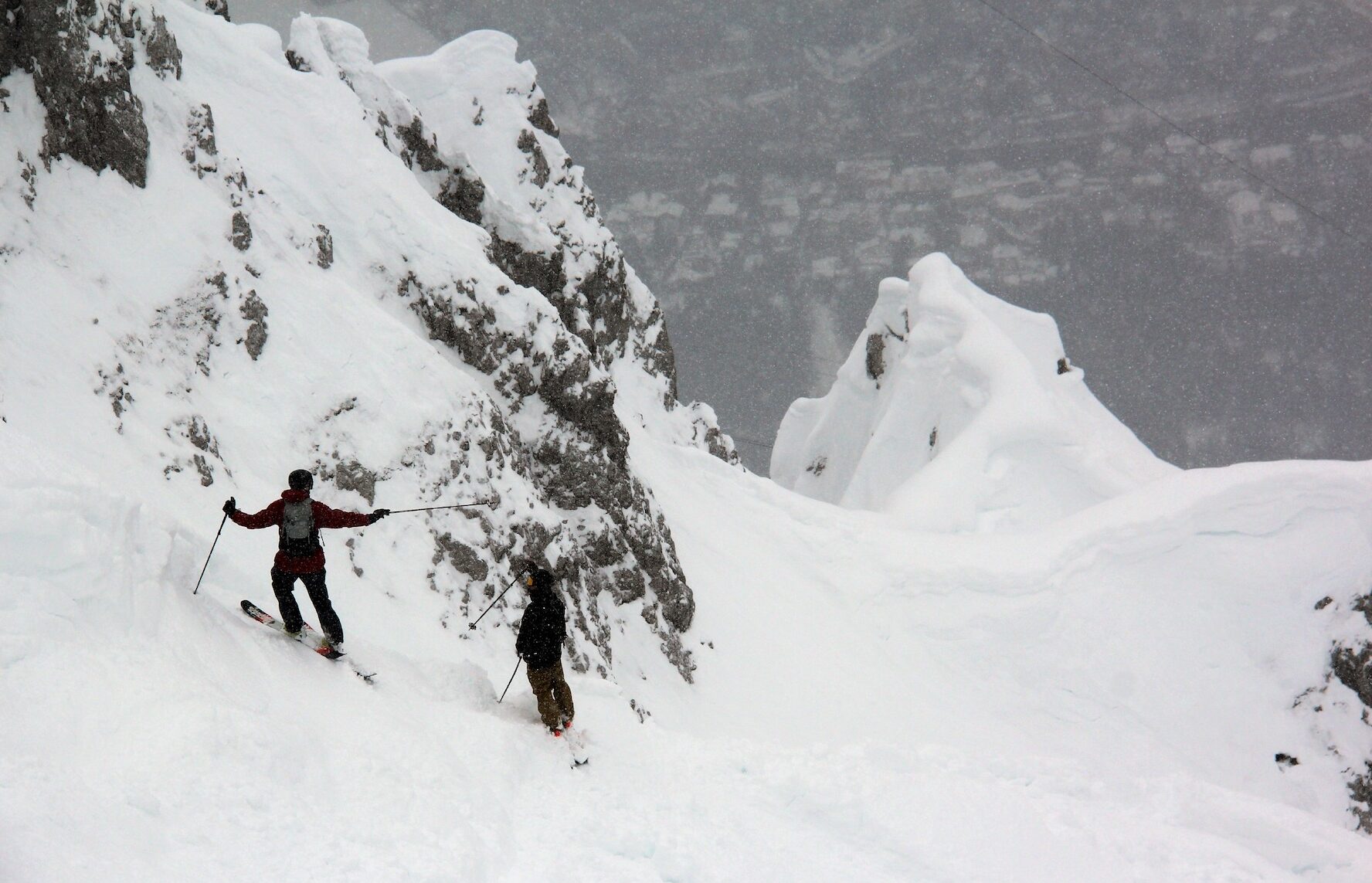
Children and young people who are off-piste should have the opportunity to gain in-depth knowledge about avalanche danger, behavior in the terrain, risk management, decision-making, emergency avalanche and more. Suitable documents are also available here.
Learning content
Articles

Skiers and snowboarders who are out and about in the open ski area must be well prepared and equipped with the necessary equipment to minimize their risk and be able to act in an emergency.

More than half of all people involved in avalanche incidents suffer no or only minor injuries. Around 32 percent of the people involved are seriously injured, and the death rate of people who are buried (regardless of the burial depth) is around 13 percent.

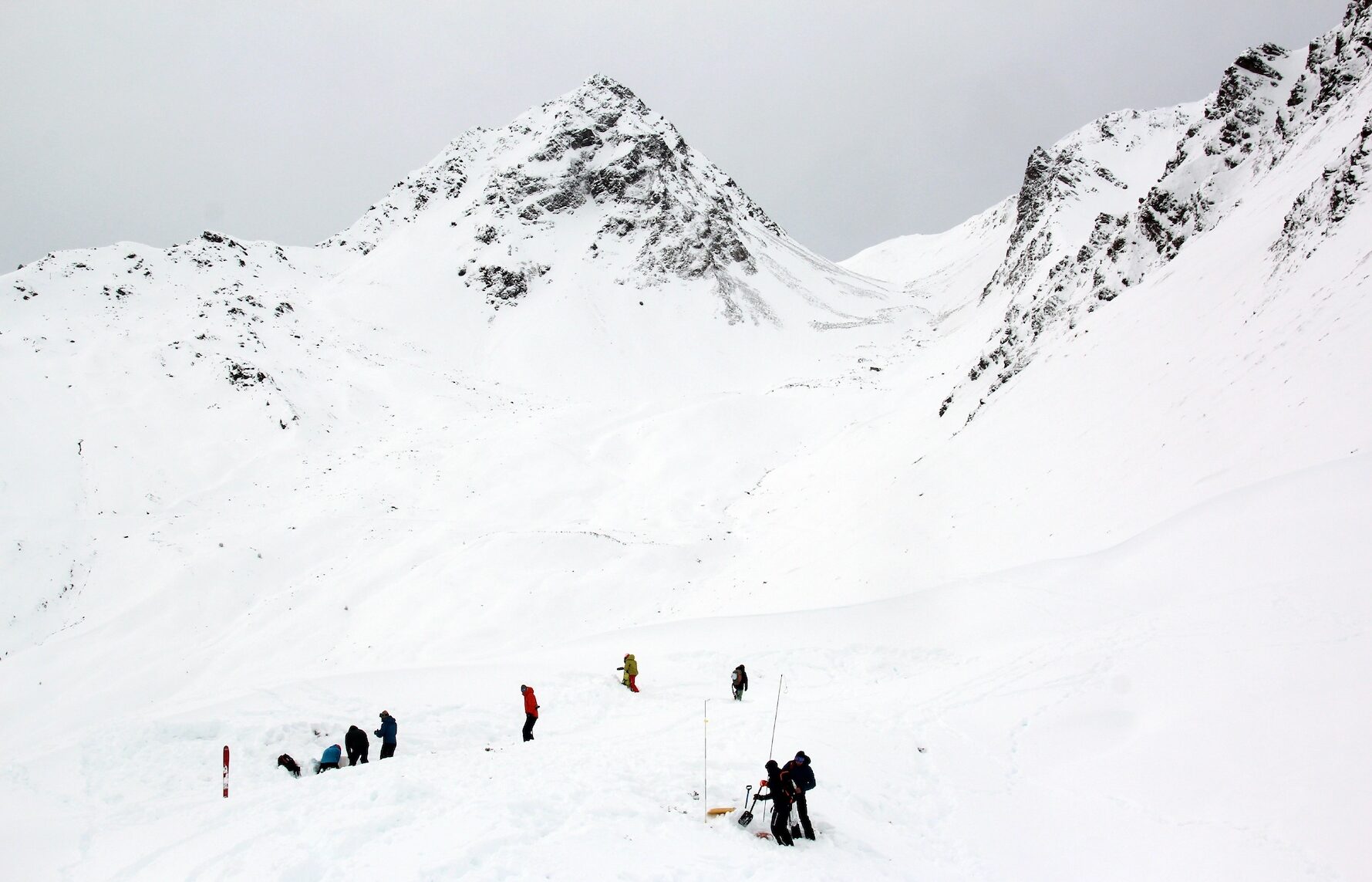
If you are caught in an avalanche, you are a passenger and your life is in potential danger. Independent rescue and rescue attempts may be successful, but in most cases you will be dependent on the help of others.
LEVEL 1, 2, 3
Articles

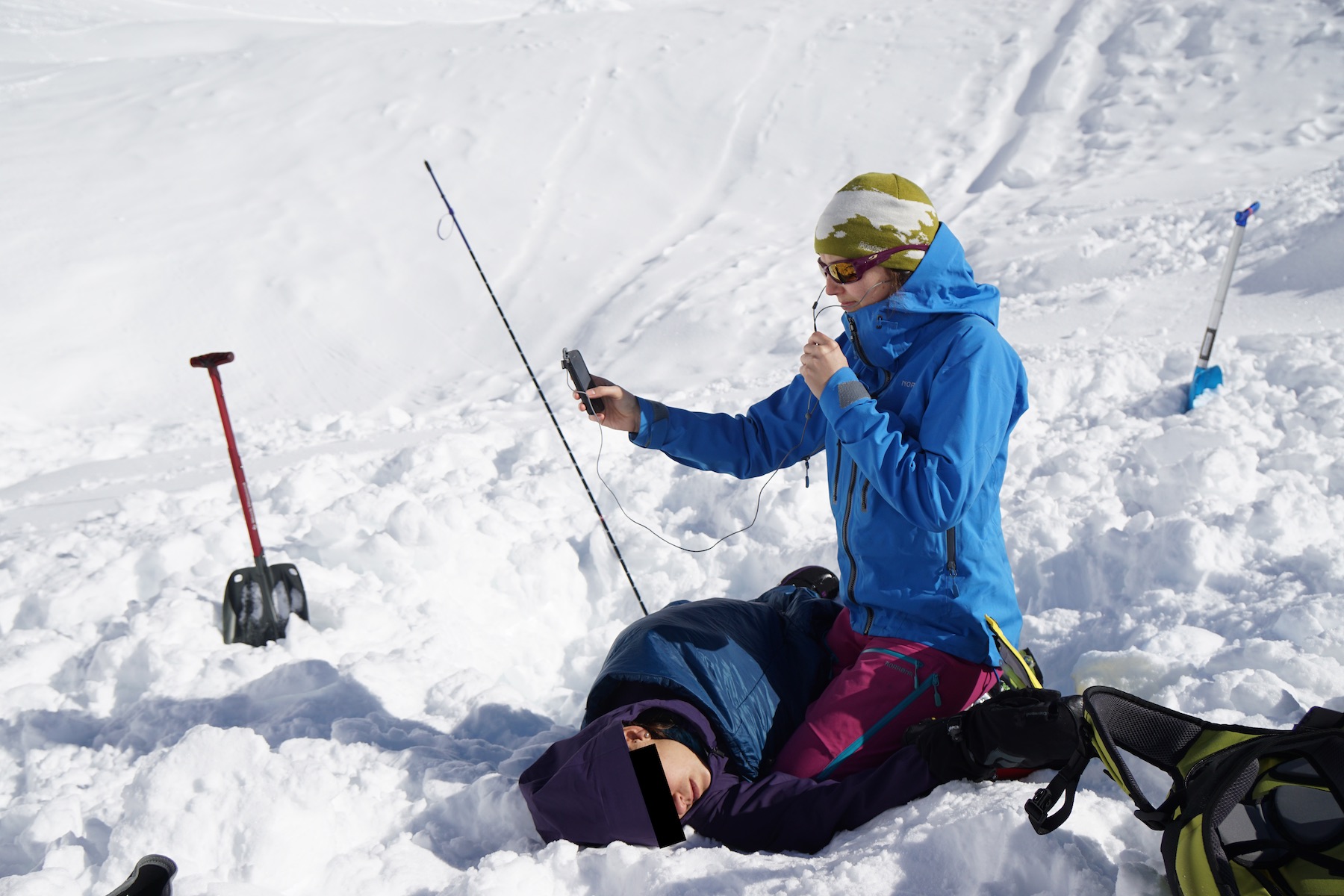
First aid for injured persons is based on the priority principle. One of the most important measures, and one that everyone should and can take, is to call for professional help – in other words, to make an emergency call.

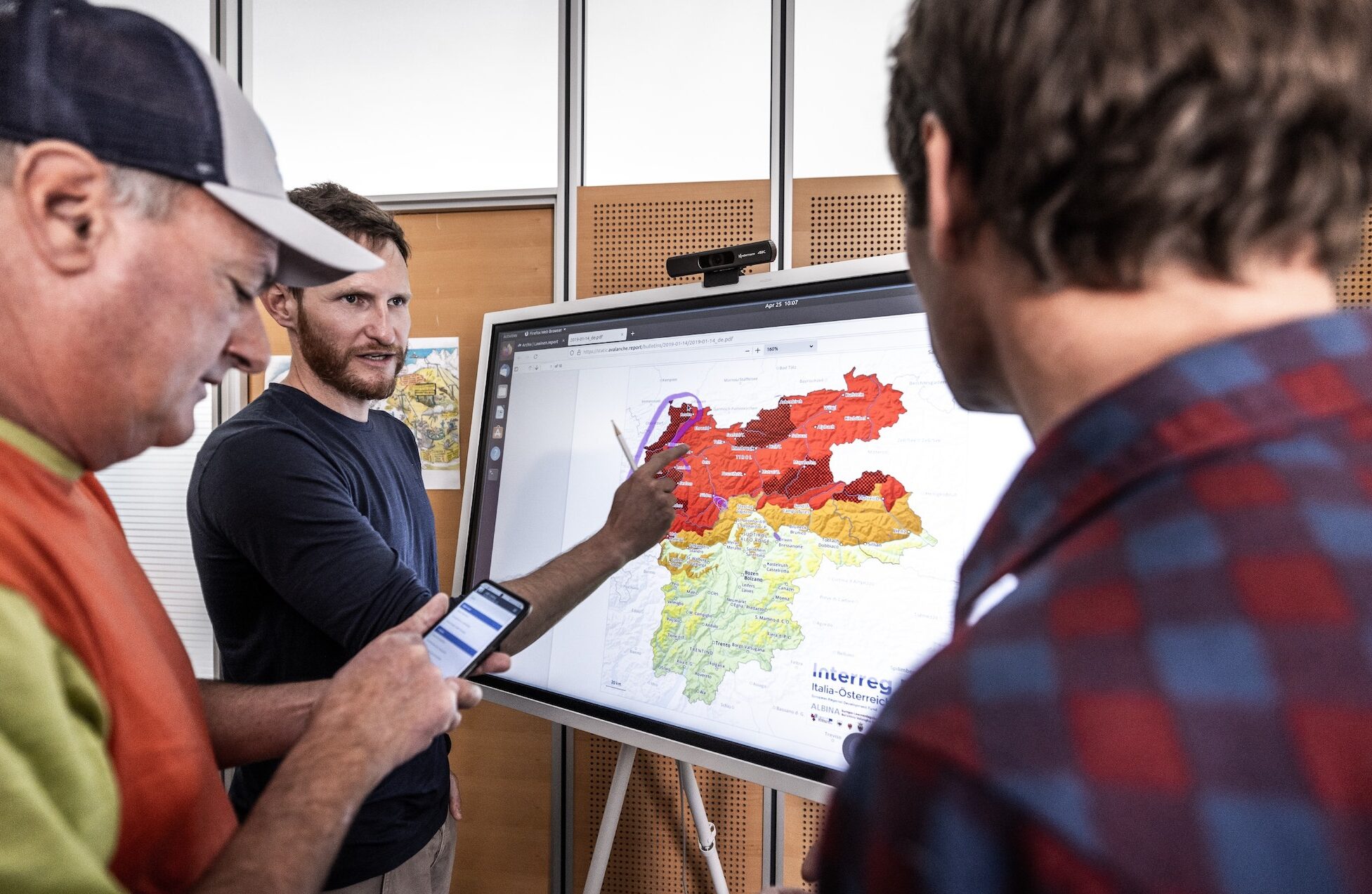
An avalanche bulletin is a publication by the avalanche warning services that contains detailed information on the current state of the snow cover snowpack, its development for the next day and the resulting avalanche danger.

In order to be safe in the mountains, a sound knowledge of the weather and the most common terms in the weather forecast are essential.