Teaching material
Avalanche Emergency
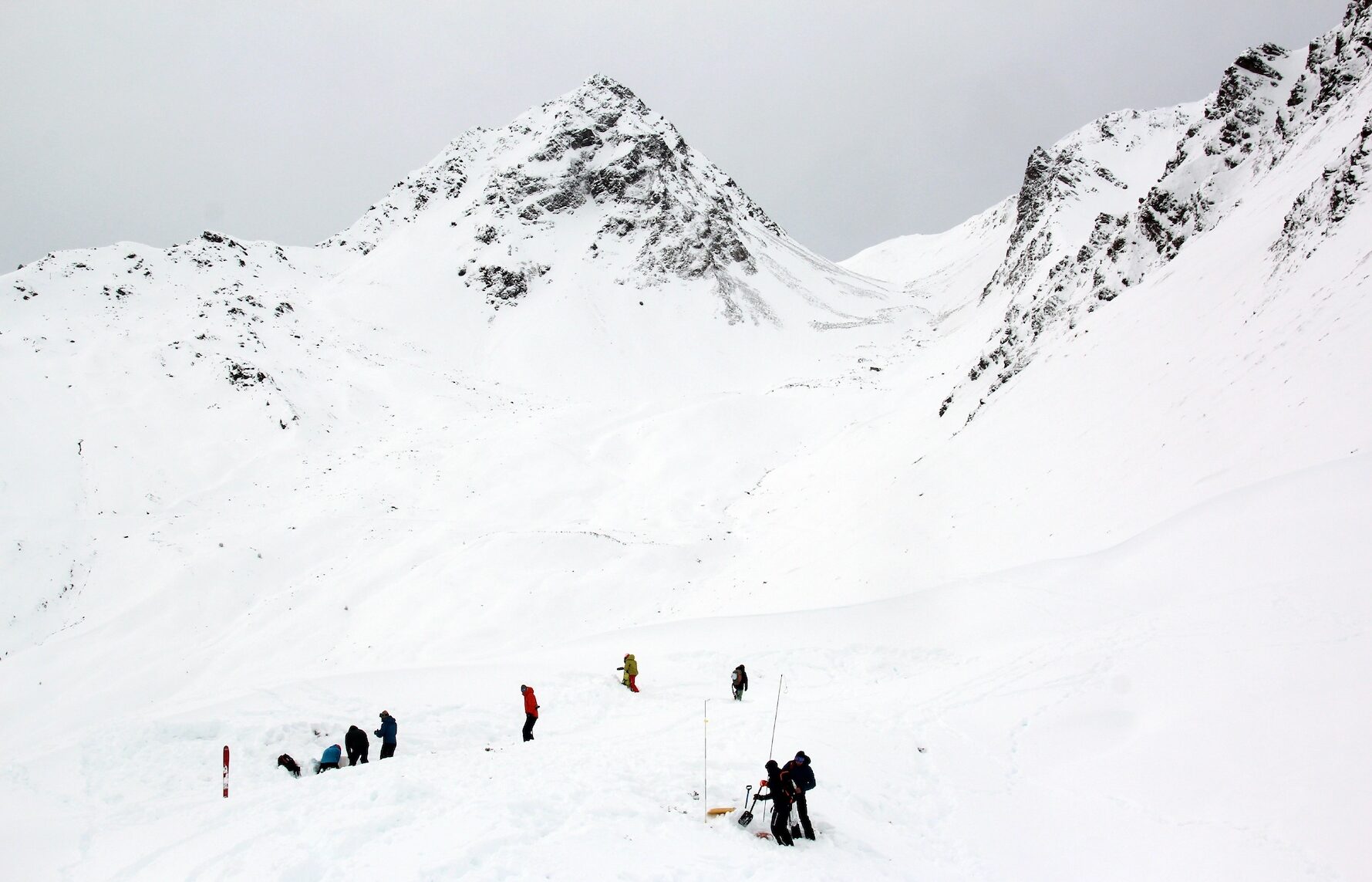
In order to be able to help in a worst-case scenario – i.e. an avalanche accident with buried and/or injured people – it is important to gain theoretical knowledge and practical experience.

In order to be able to help in a worst-case scenario – i.e. an avalanche accident with buried and/or injured people – it is important to gain theoretical knowledge and practical experience.
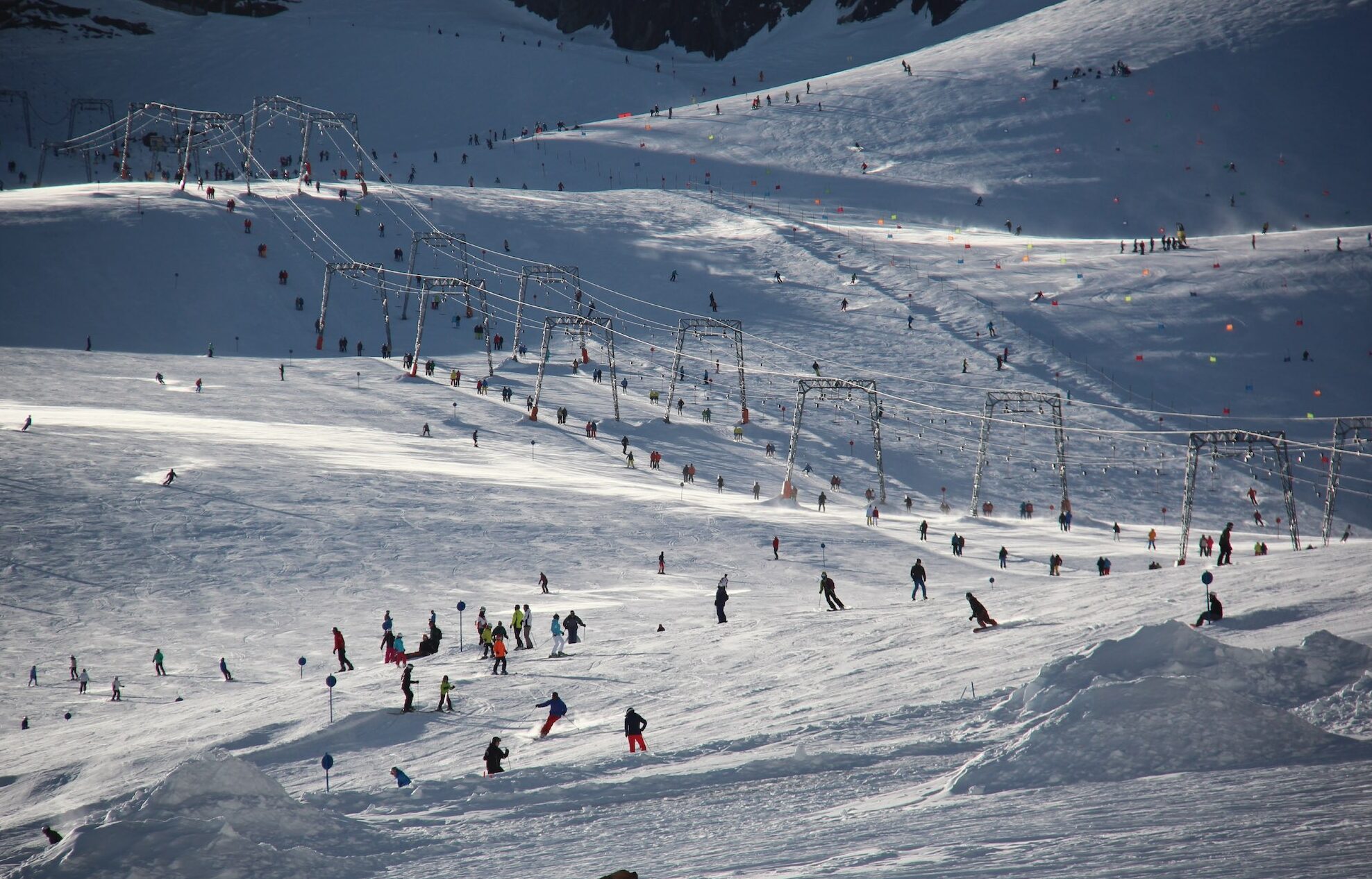
With a little background knowledge and practice, every student can learn valuable measures to provide assistance on the ski slope in an emergency.
More than half of all people involved in avalanche incidents suffer no or only minor injuries. Around 32 percent of the people involved are seriously injured, and the death rate of people who are buried (regardless of the burial depth) is around 13 percent.
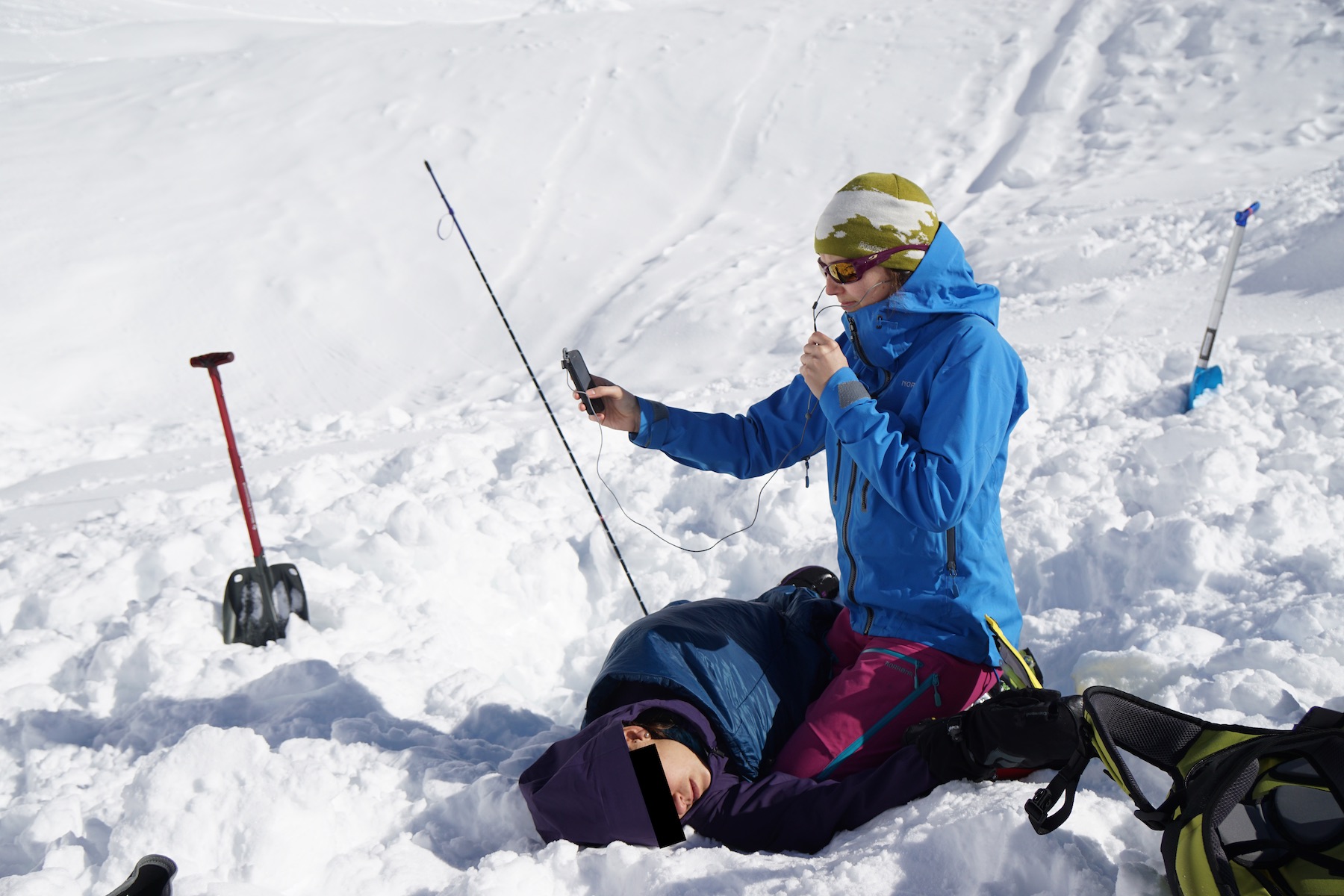
First aid for injured persons is based on the priority principle. One of the most important measures, and one that everyone should and can take, is to call for professional help – in other words, to make an emergency call.

Piste 13.11.2025 Contents Pupils carefully explore the ski area and playfully learn about the limits in the ski area, possible dangers and important sources of
Piste 04.11.2024 Contents The 10 rules of conduct for skiers and snowboarders regulate how to get along on the slopes. This puzzle rally is ideal

If you are caught in an avalanche, you are a passenger and your life is in potential danger. Independent rescue and rescue attempts may be successful, but in most cases you will be dependent on the help of others.
The 10 rules of conduct for skiers & snowboarders regulate how to get along on the slopes.
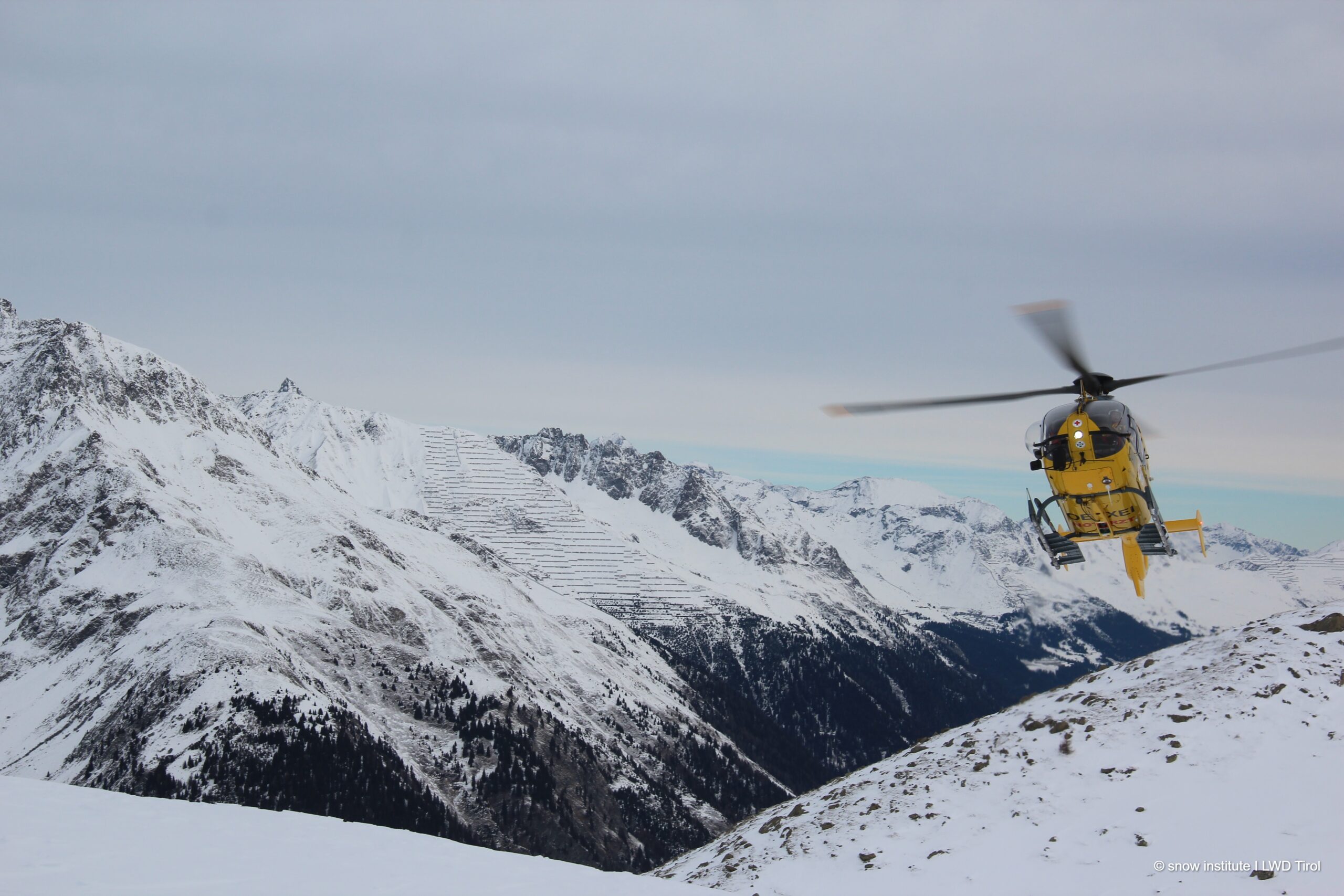
Helicopters are often the means of rescue of choice in the Alpine region – if they are available and the external conditions (weather conditions, daylight, etc.) permit their use.
Standard measures, i.e. generally valid, effective and recognized recommendations for action to avoid risks, are always (!) applied – regardless of the type of group, the terrain or the current conditions.