Avalanche accident – that’s why companion rescue is crucial
The typical skier avalanche is around 50-70 meters wide and has about three times the flow length. The fracture depth (also called break-off depth) is on average around half a meter.

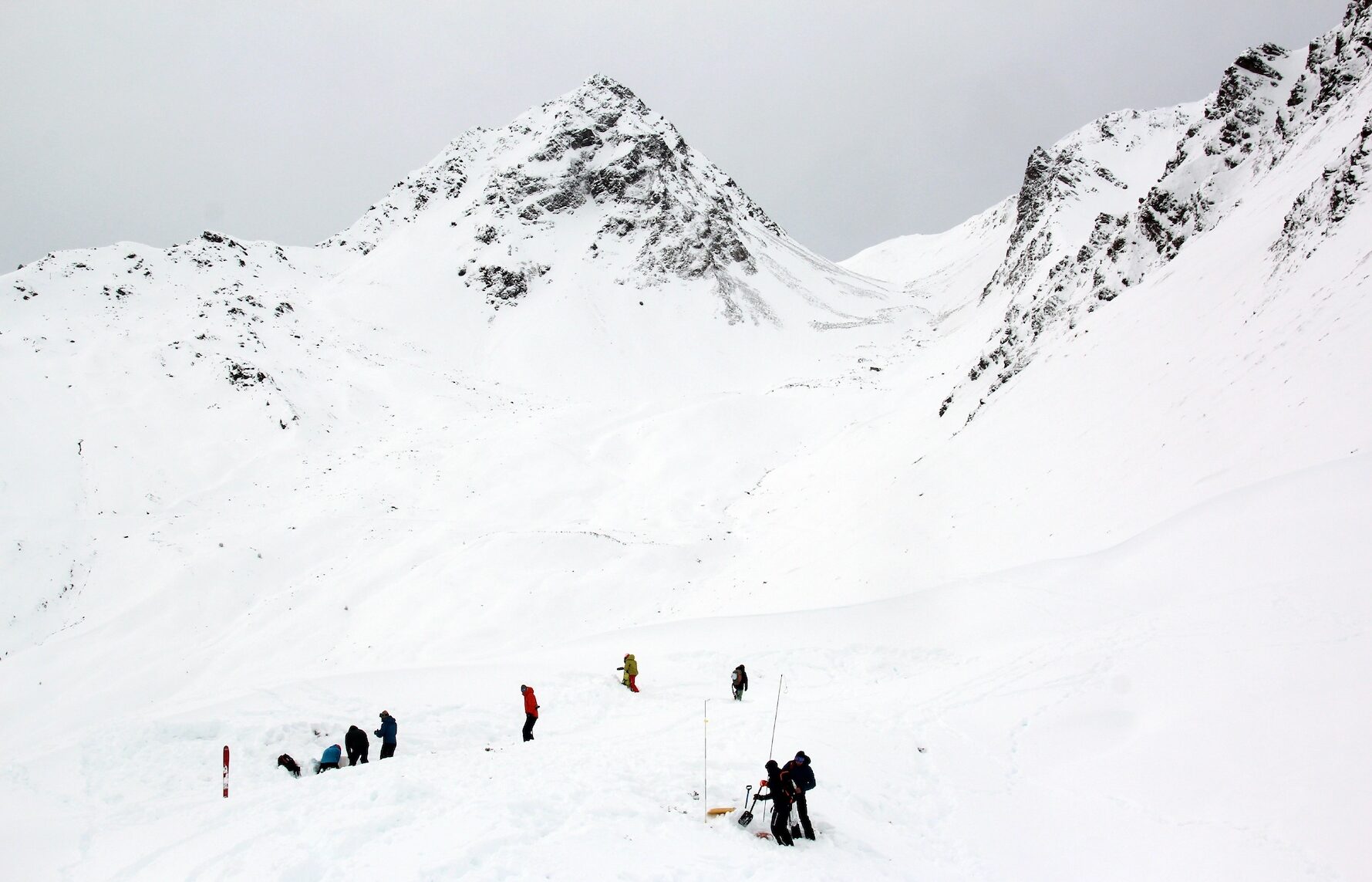
The typical skier avalanche is around 50-70 meters wide and has about three times the flow length. The fracture depth (also called break-off depth) is on average around half a meter.

Skiers and snowboarders who are out and about in the open ski area must be well prepared and equipped with the necessary equipment to minimize their risk and be able to act in an emergency.

More than half of all people involved in avalanche incidents suffer no or only minor injuries. Around 32 percent of the people involved are seriously injured, and the death rate of people who are buried (regardless of the burial depth) is around 13 percent.

If you are caught in an avalanche, you are a passenger and your life is in potential danger. Independent rescue and rescue attempts may be successful, but in most cases you will be dependent on the help of others.

More than half of all people involved in avalanche incidents suffer no or only minor injuries. Around 32 percent of the people involved suffer serious injuries, while the fatality rate of people caught (regardless of burial depth) is around 13 percent.

Emergencies and accidents rarely happen out of the blue without any warning. Of course, sometimes you can be unlucky and simply be in the wrong place at the wrong time.

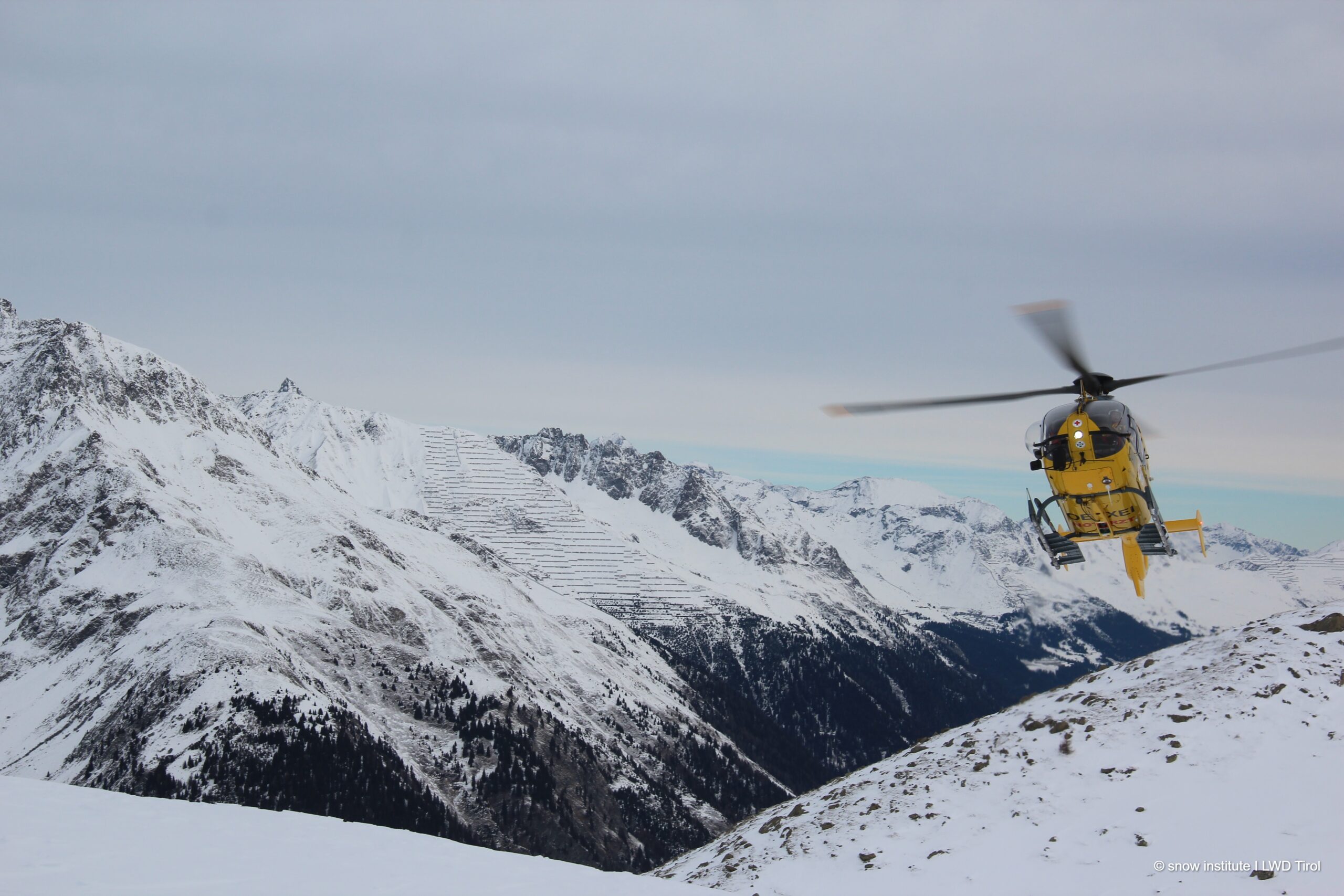
Helicopters are often the means of rescue of choice in the Alpine region – if they are available and the external conditions (weather conditions, daylight, etc.) permit their use.

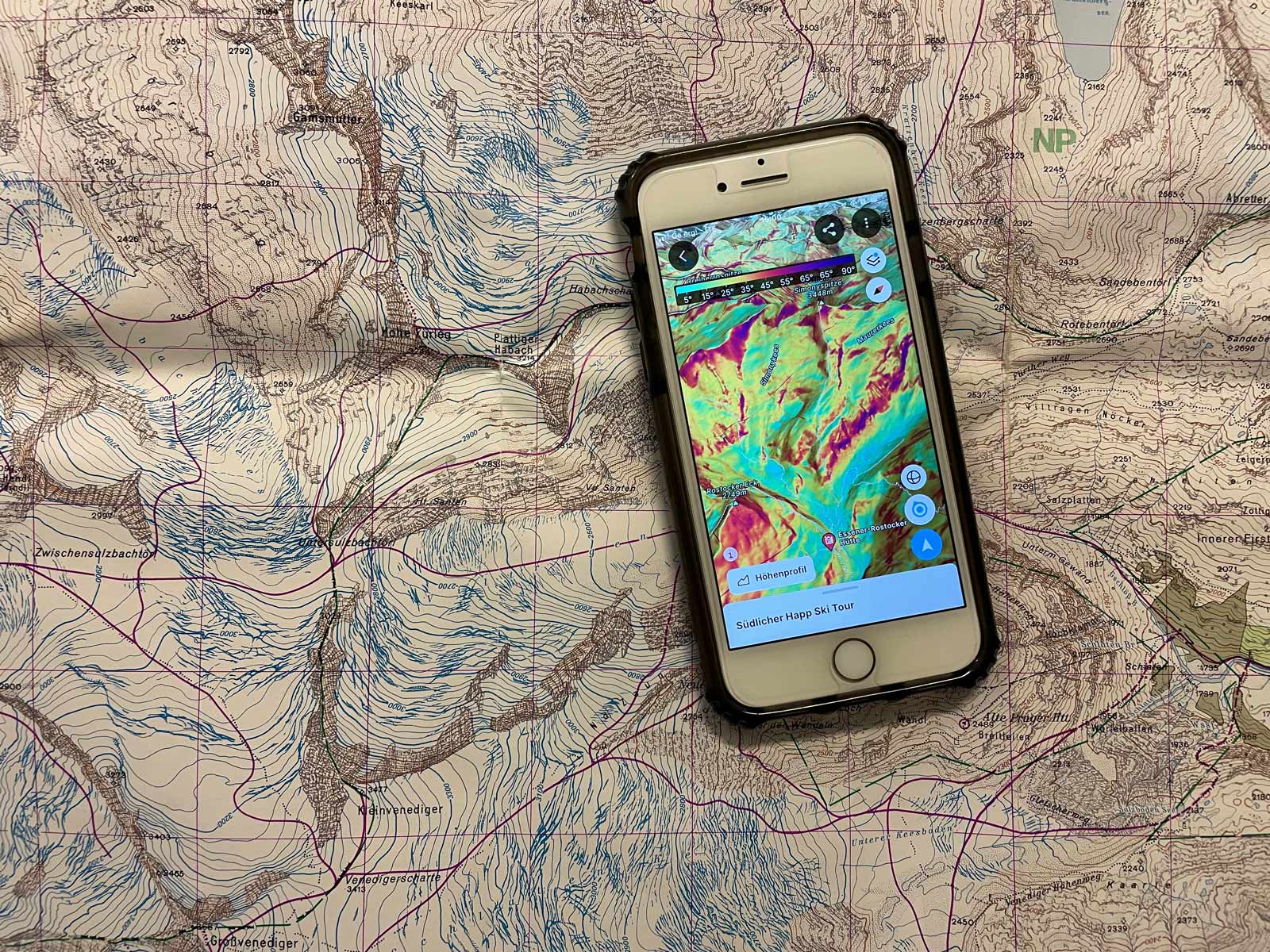
When deciding whether a freeride run is possible or not, a basic understanding of what makes a descent dangerous is crucial.

Standard measures, i.e. generally valid, effective and recognized recommendations for action to avoid risks, are always (!) applied – regardless of the type of group, the terrain or the current conditions.

All electronic devices and metal objects generate electromagnetic fields that can massively interfere with avalanche transceivers. If an electronic device is in the immediate vicinity of the avalanche transceiver in SEARCH mode, this can have fatal consequences.

In alpine winter sports, too, “danger” is often and regularly confused with “risk” and these two terms are often used indistinctly. This also applies to “avalanche danger” and thus the “avalanche risk” that freeriders take.
Posts “All Levels”

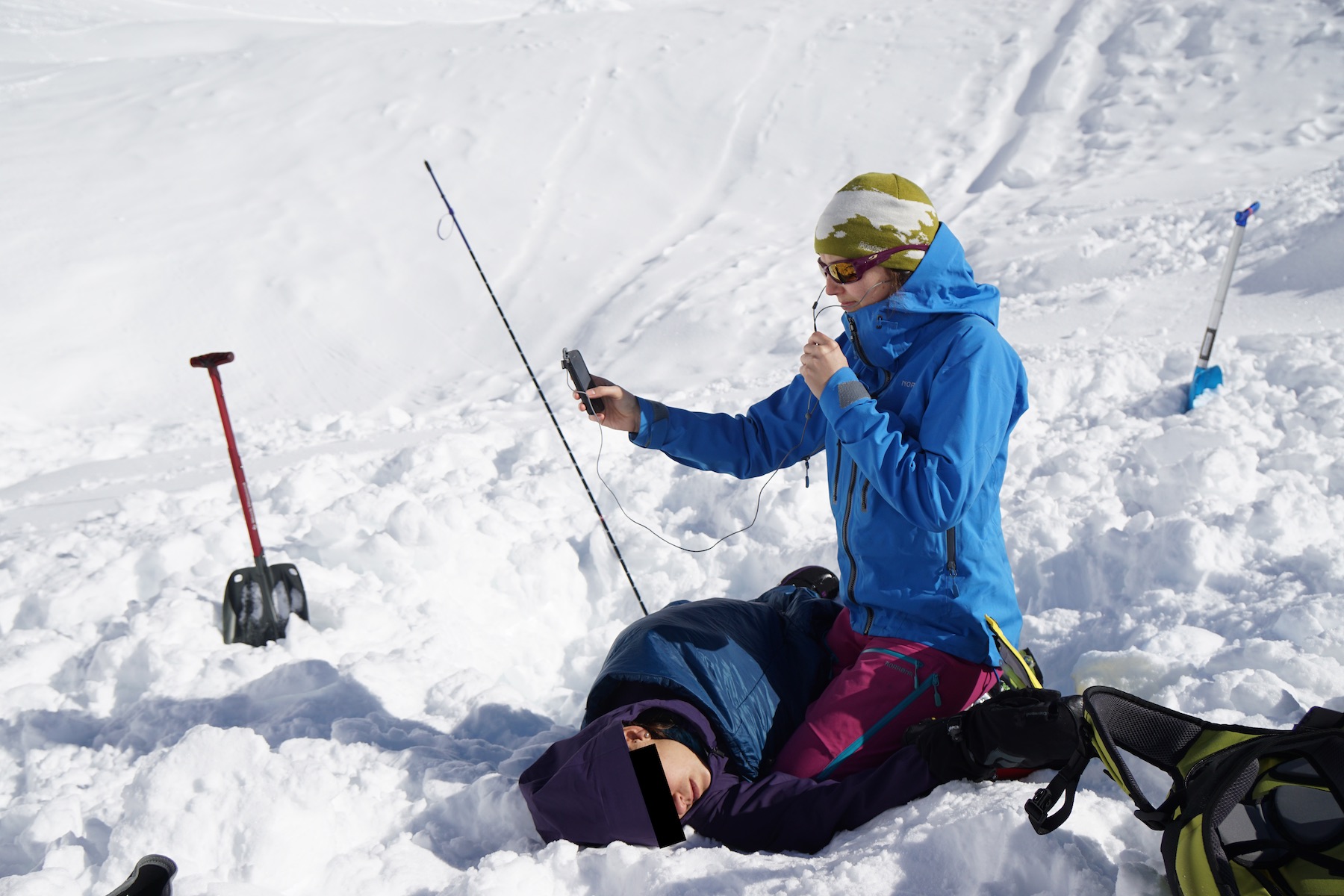
First aid for injured persons is based on the priority principle. One of the most important measures, and one that everyone should and can take, is to call for professional help – in other words, to make an emergency call.

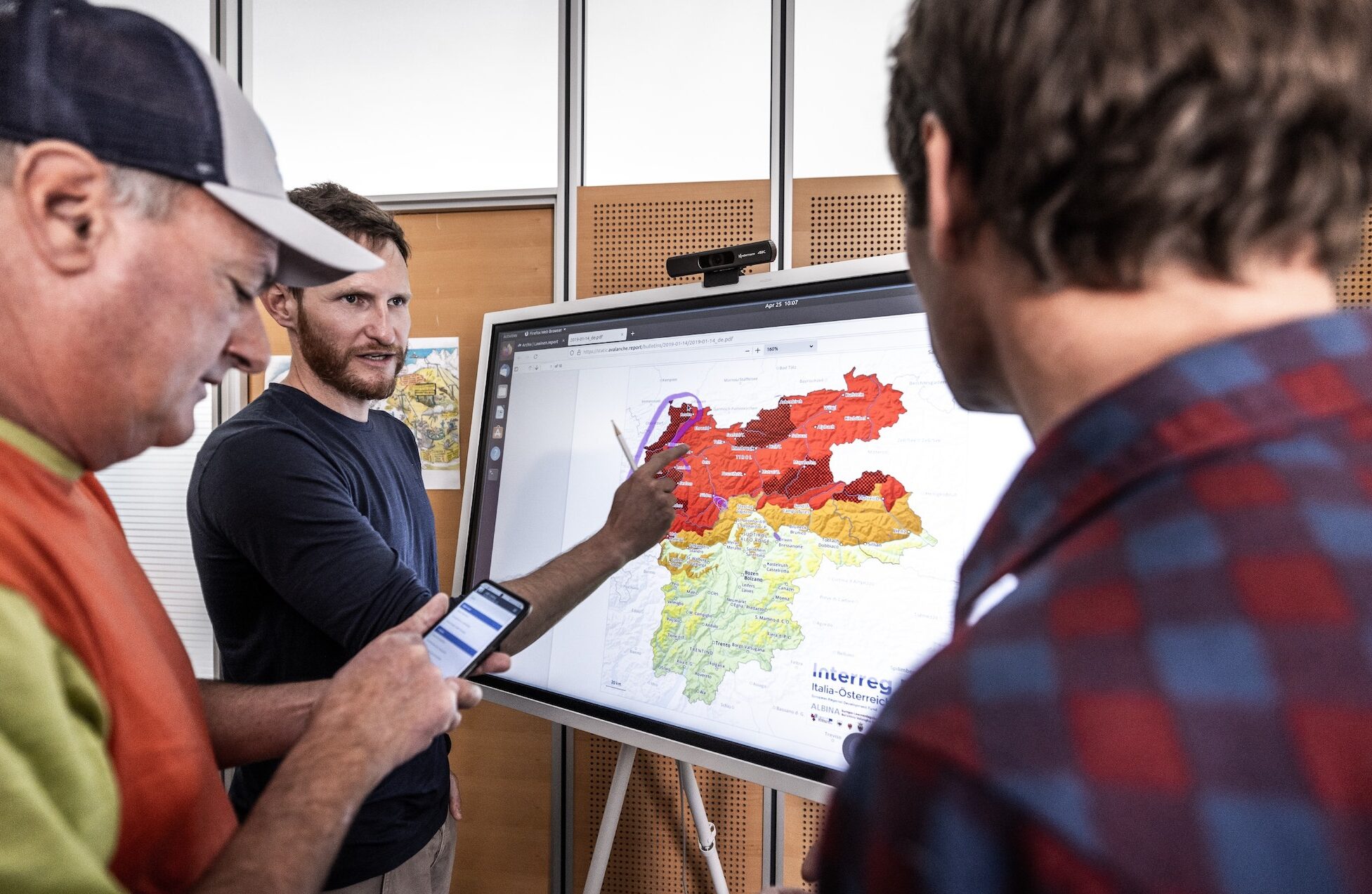
An avalanche bulletin is a publication by the avalanche warning services that contains detailed information on the current state of the snow cover snowpack, its development for the next day and the resulting avalanche danger.

In order to be safe in the mountains, a sound knowledge of the weather and the most common terms in the weather forecast are essential.