Tag: Emergency & emergency call

All Levels

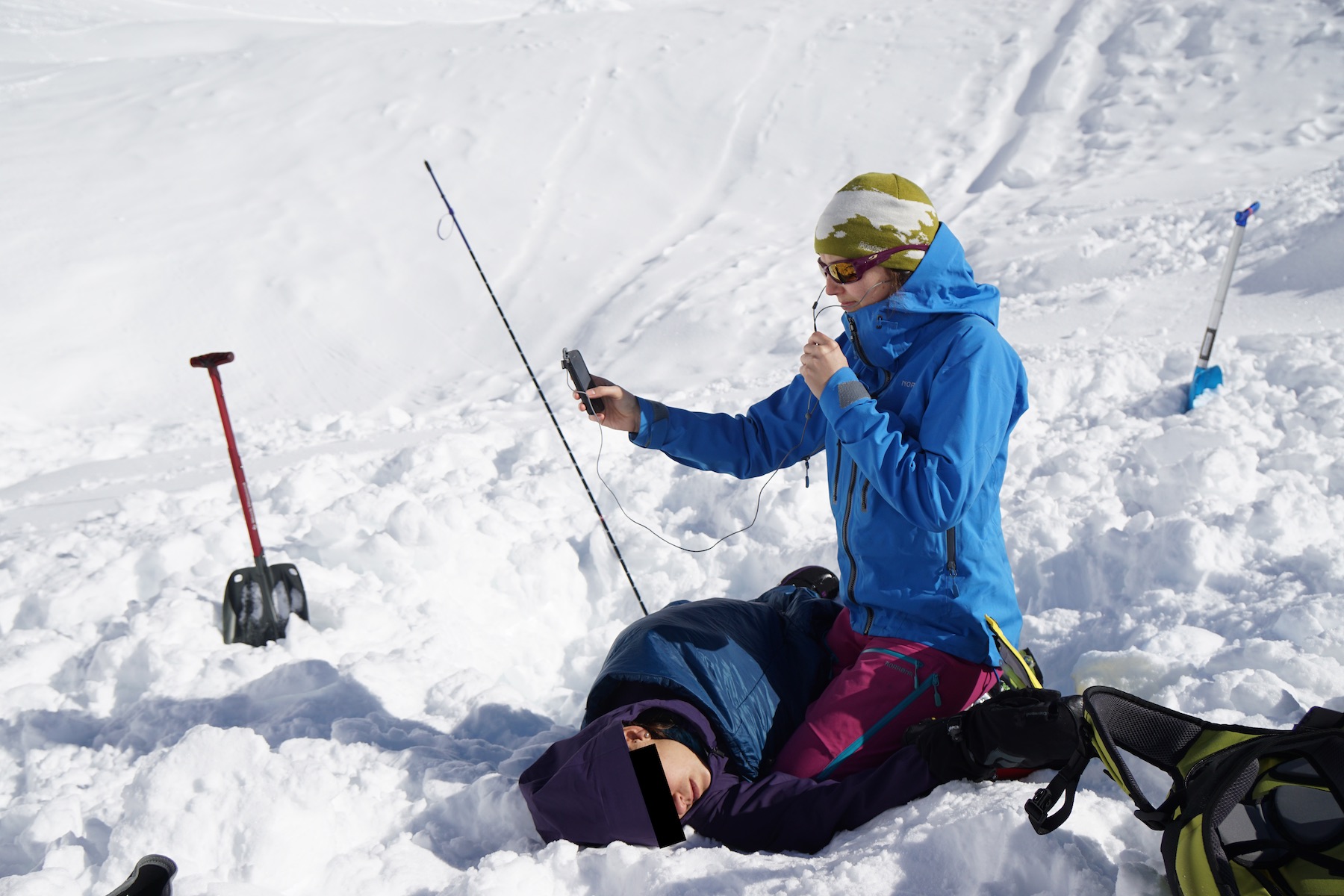
First aid in an emergency situation

First aid for injured persons is based on the priority principle. One of the most important measures, and one that everyone should and can take, is to call for professional help – in other words, to make an emergency call.

weiterlesen
Teaching material

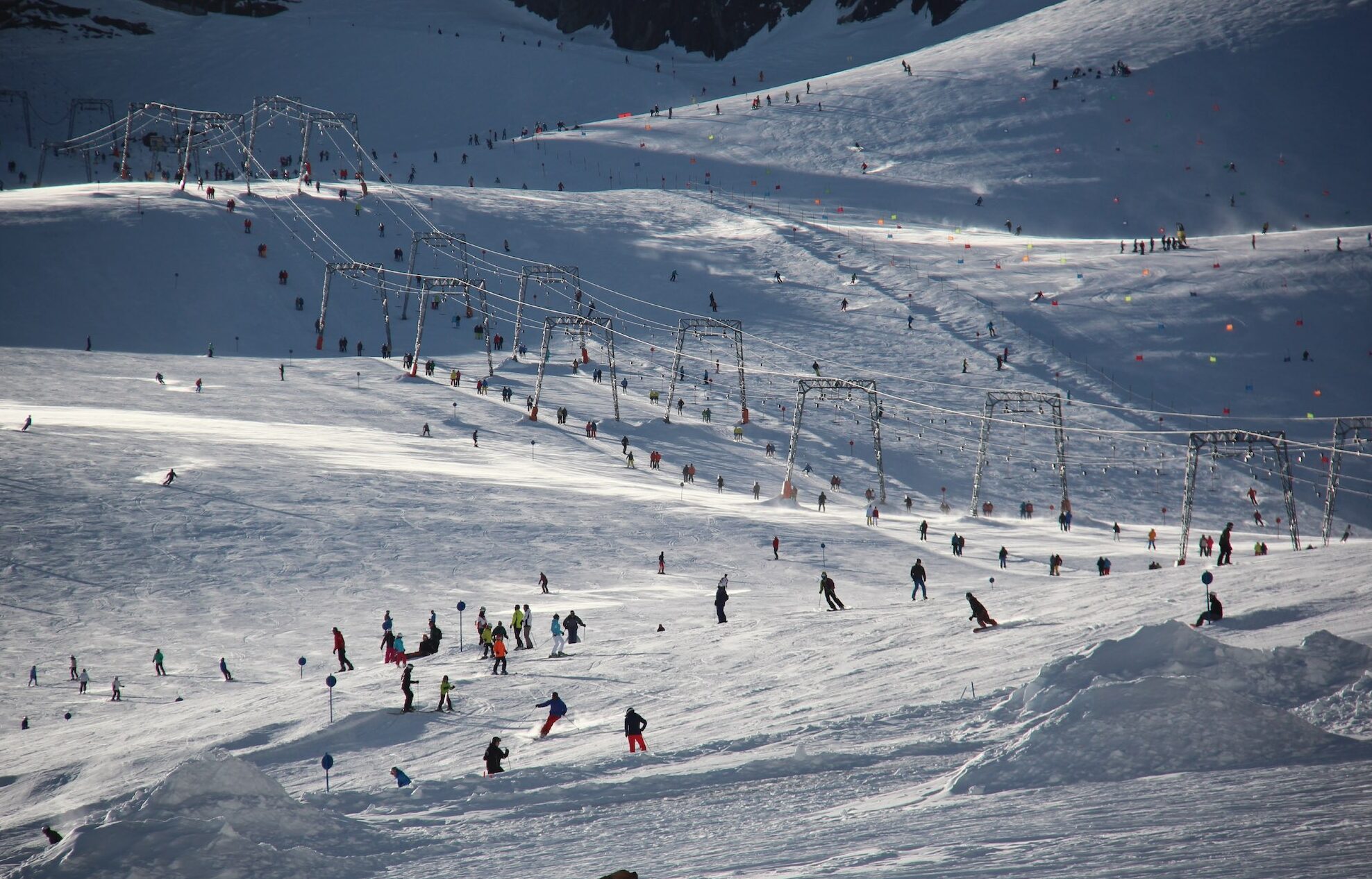
Emergency on the ski slope

With a little background knowledge and practice, every student can learn valuable measures to provide assistance on the ski slope in an emergency.

weiterlesen
Backcountry

Facts, figures and data

More than half of all people involved in avalanche incidents suffer no or only minor injuries. Around 32 percent of the people involved suffer serious injuries, while the fatality rate of people caught (regardless of burial depth) is around 13 percent.

weiterlesen
Teaching material

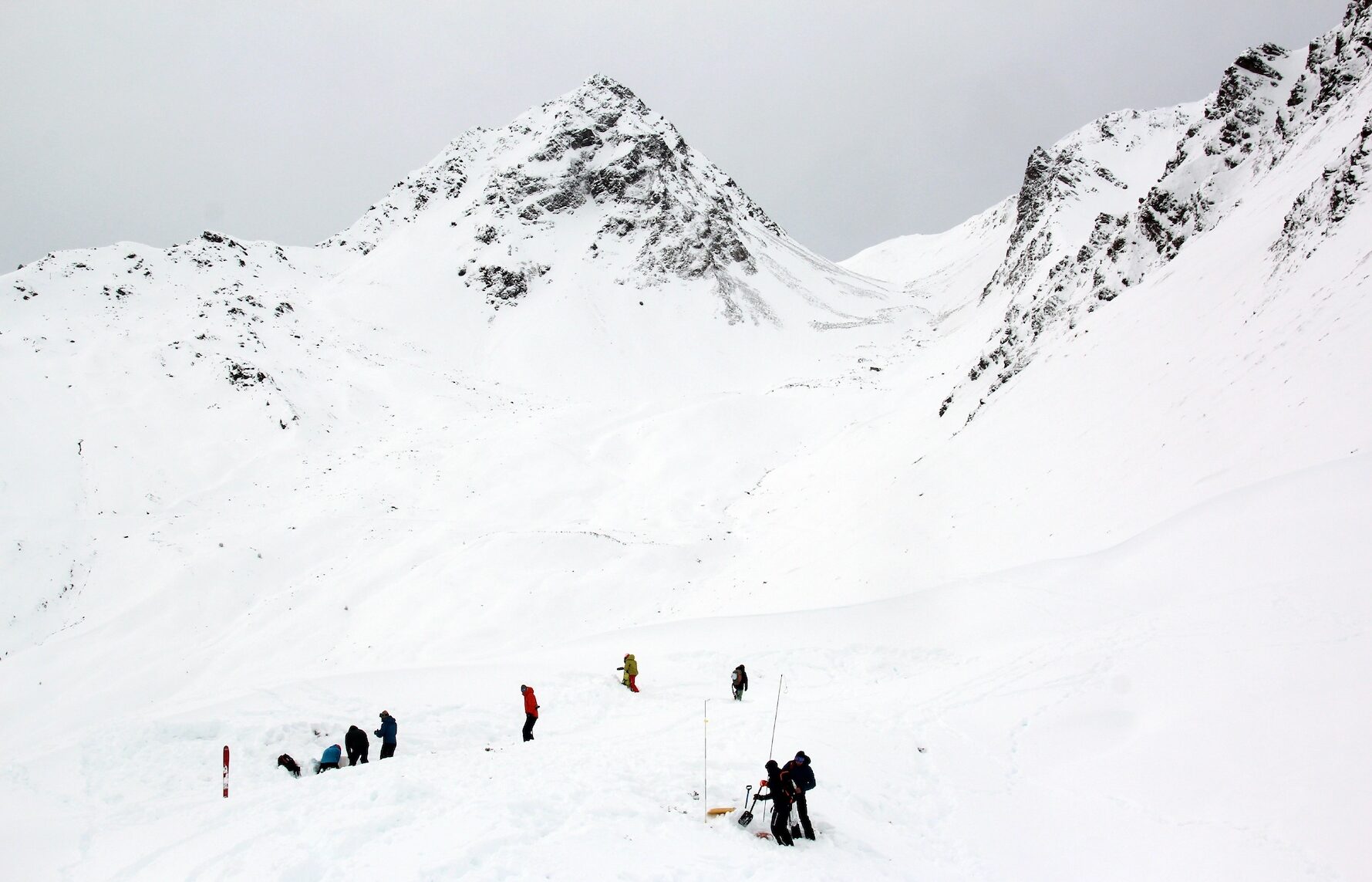
Avalanche Emergency

In order to be able to help in a worst-case scenario – i.e. an avalanche accident with buried and/or injured people – it is important to gain theoretical knowledge and practical experience.

weiterlesen
All Levels

Building a snow bivouac

Orientation problems due to poor visibility, the failure of an important piece of equipment during a variant descent in a remote area or an injury: sometimes situations arise in which you can no longer make it back to the valley in time or under your own steam. If there are no flying conditions, you will have to spend the time until the terrestrial rescue services arrive – or possibly the whole night – in the terrain. A bivouac sack protects you from cooling down for a short time and keeps out the wind, while a snow cave offers more protection from the elements. The so-called “Panzerknacker Igloo” has proven its worth.

weiterlesen