
This article is about:
01
General Overview
In addition to warnings, closures, or evacuations (see Chapter “Act – Operational Measures: warnings, closures, and evacuations“), avalanche commissions also have artificial avalanche release at their disposal. This measure—like those mentioned above—is classified as an active and temporary measure. This means that, on the one hand, active intervention is required to achieve the desired level of protection, and on the other hand, that the protection provided is only ensured for a limited period of time.
In recent years, the preventive triggering of avalanches by means of blasting has gained increasing importance. The main reasons for this are the economic advantages of this method compared with permanent mitigation measures, as well as the fact that the necessary interventions in nature are significantly less extensive. In addition, these avalanche protection measures can generally be implemented relatively quickly and cost‑efficiently and demonstrate high effectiveness with regard to risk reduction. Alongside these positive aspects, artificial avalanche release also has several disadvantages. Considerable time and personnel resources are required for both the assessment of the current avalanche hazard and the execution of the measures. Some methods are dependent on weather conditions and visibility and therefore cannot be applied at all times. Furthermore, the risks must not be neglected that a preventively triggered avalanche may develop a larger magnitude than anticipated, follow unexpected flow paths, or lead to avalanche releases in adjacent paths due to remote or secondary triggering. It must also be noted that the use of explosives in Italy is subject to strict regulations regarding their purchase, transport, possesion, storage, and use. Since the advantages generally outweigh the disadvantages, this method has been used in the Alpine region for several decades to protect ski slopes and lift installations. In recent years, controlled avalanche release has also proven effective in safeguarding transportation infrastructure such as roads and railway lines.
A decisive factor is achieving as uniform an influence as possible across the entire release area; on large slopes, multiple blasts are often required. However, such blasting operations require specialized expertise and experience in the topic of snow and avalanches, as well as in the handling of explosives and initiation systems. The preparation and detonation of explosive charges for the controlled release of avalanches may, for example in Austria, only be carried out by certified blasting personnel with additional qualification in avalanche‑control blasting. In Italy, the use of explosives requires certification as a blasting master. This permit must be renewed after three years and is issued by the municipal administration following a prior clearance declaration from the Questore and upon successful completion of an examination administered by the Regional Technical Commission for Detonation and Explosives (Article 27 of the Decree of the President of the Republic of 19 March 1956, No. 302; Article of the Provincial Law of 12 November 1992, No. 40). For the use of explosive charges and other methods of artificial avalanche release, it is also mandatory to pass the AINEVA 2B examination for “Operatore ed assistente del distacco artificiale di valanghe”.
02
Objective of Artificial Avalanche Triggering
Preventive artificial avalanche release as a mitigation measure can prevent spontaneous large avalanches and reduce closure periods. The objective is to trigger avalanches in a controlled and incremental manner at predetermined times. By applying targeted additional loading to the snowpack, weak layers are disturbed and potential avalanches are released at an early stage in order to avoid—or at least minimize—damage to people, infrastructure, buildings, and forested areas.
The choice of release method, release points, and, in particular, the correct timing depends on numerous factors such as terrain, accessibility, weather conditions, budget, and experience. A release is only effective if the snowpack exhibits suitable conditions—neither too loose (insufficient cohesion for slab formation) nor already too strongly consolidated. This phenomenon is frequently observed during helicopter‑supported blasting operations. When weather and visibility finally allow helicopter missions after heavy snowfall, the snowpack is often already so consolidated that avalanches can no longer be triggered. Another example is provided by spring conditions: during the night and in the early morning hours, the snowpack is still frozen, while warming during the day can alter the snowpack structure in such a way that conditions become favorable for artificial avalanche release. Consequently, intervention at the wrong time, for example during the early morning hours, may render artificial avalanche release ineffective. On the other hand, a later intervention may allow the release of wet snow avalanches. These wet snow avalanches may then occur spontaneously and often reach larger dimensions due to the accumulated snow masses. Furthermore, artificial avalanche release provides valuable information about the stability of the snowpack and the distribution of weak layers. Even a negative blasting result constitutes important information for the assessment of avalanche danger.
03
Effect of the Detonation
The detonation of an explosive charge generates a shock wave in its immediate vicinity, which, with increasing distance from the point of detonation, transitions into a blast wave (an elastic wave of large amplitude) and eventually into an acoustic pressure wave (an elastic wave of smaller amplitude). Within the snowpack and in the ground, these disturbances propagate as displacement waves. If their amplitudes are sufficiently large, the snow structure is destroyed or at least permanently deformed.
The amplitudes of the displacement and pressure waves within, above, and below the snowpack are largely determined by the position of the explosive charge relative to the snow surface (detonation point). The detonation of an explosive charge and its influence on the snowpack are referred to as the blasting effect, which describes the magnitude of the additional load generated. The blasting effect decreases with increasing distance from the detonation point. The pressure wave produced by the detonation propagates spherically and forms a zone of influence within which the induced additional load attains a certain magnitude.
In order to achieve the desired objective with this method—that is, to trigger an avalanche—the stress generated by the combined effect of the additional load and the self‑weight of the snowpack must exceed the strength of the snowpack at some point within the zone of influence, resulting in an initial fracture.
04
Methods of Artificial Avalanche Release
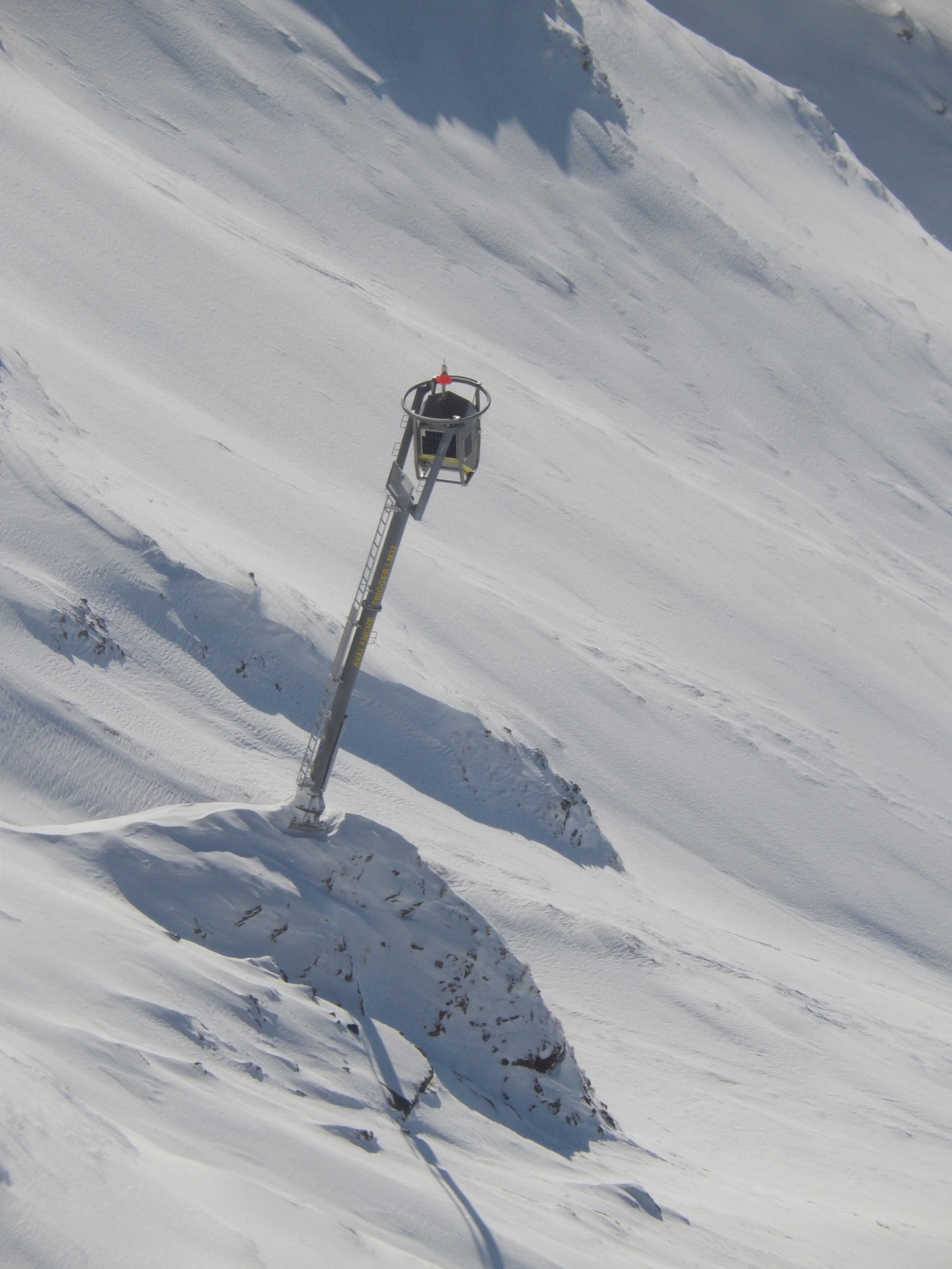
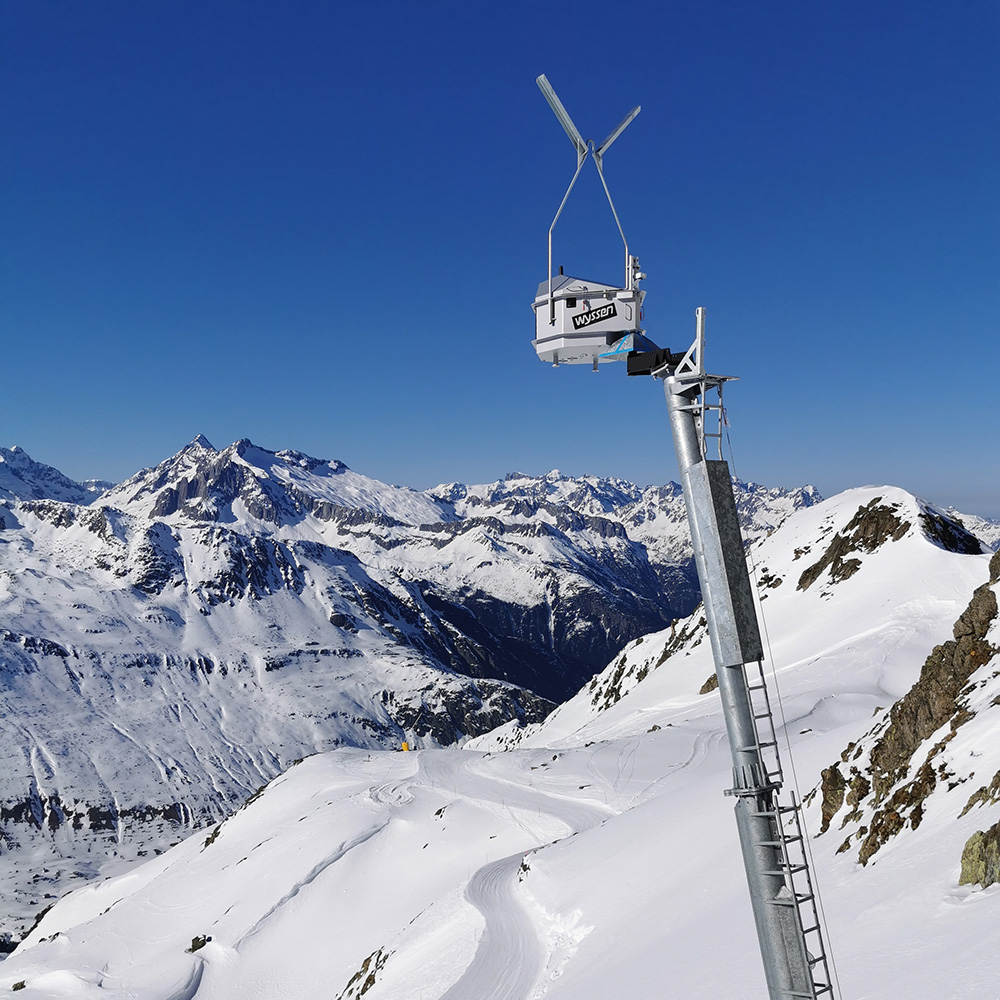
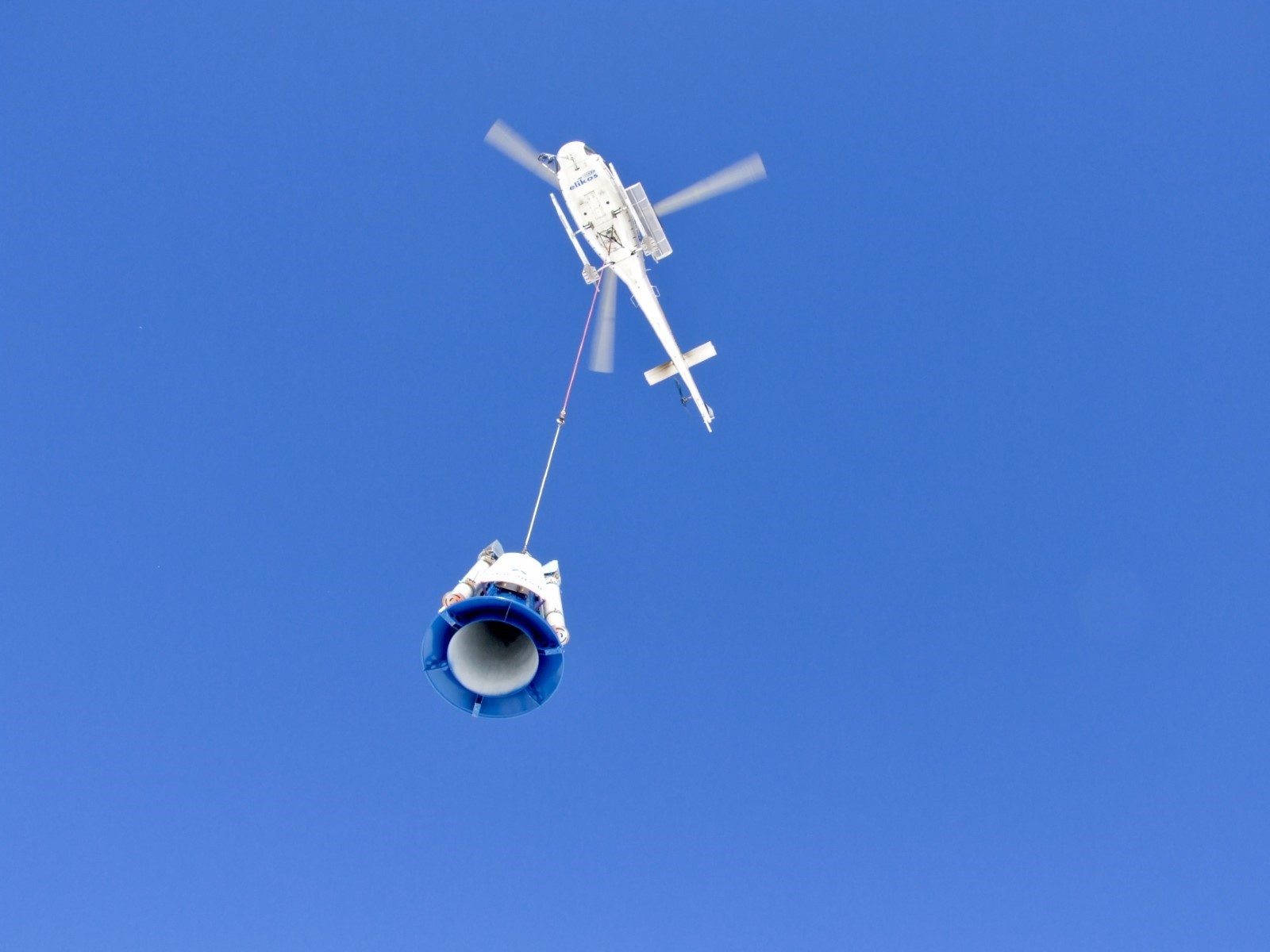
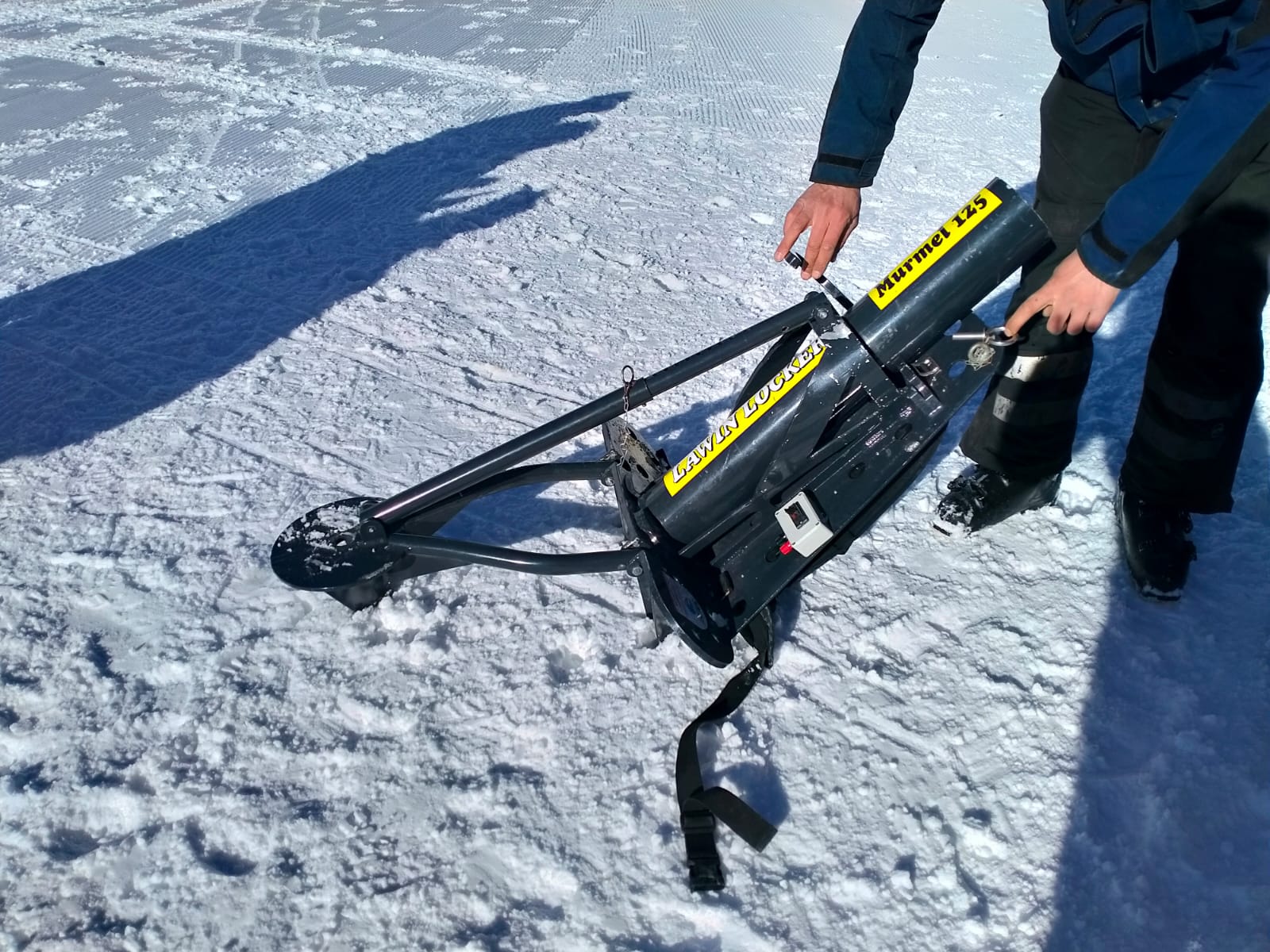
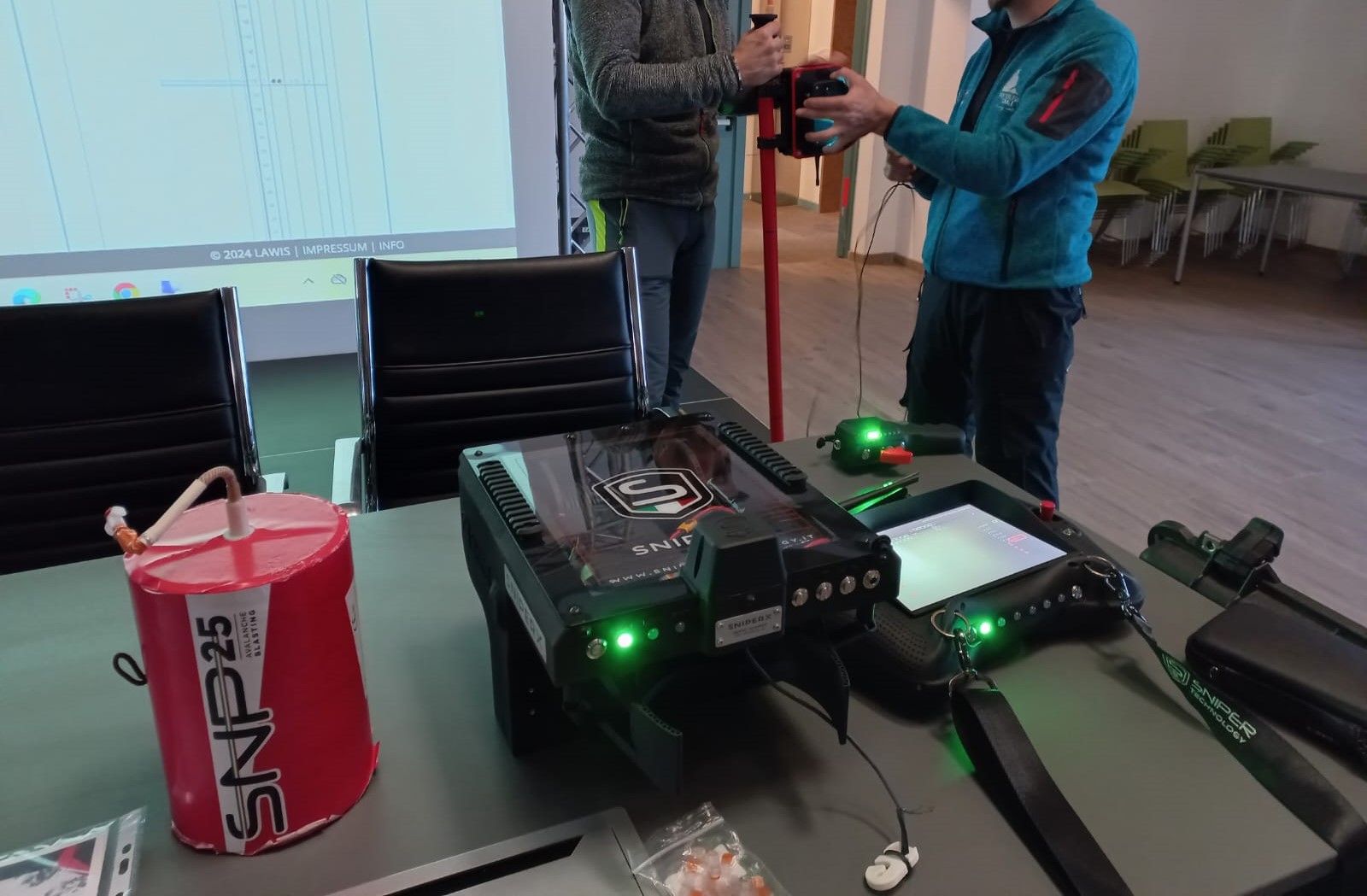
Over the past decades, a wide range of methods and systems has been developed, evolving from manual throwing of explosive charges to cable‑based blasting systems and, ultimately, to permanently installed systems. Particularly in the field of automated systems, continuous improvements and further developments have been made in recent years. The main focus has been on increasing the reliability and effectiveness of these systems, improving ease of operation, and enhancing the safety of operators. The technical avalanche‑release methods presented in this section do not claim to be exhaustive and are not legally permitted in all Alpine countries. Each region or province has specific regulations and administrative requirements governing the implementation of the respective blasting measures. For detailed information, direct contact with the competent authorities of the respective countries or provinces is required. For Tyrol and South Tyrol, detailed guidance can be found in the relevant training manuals (“Handbook for Tyrolean Avalanche Commissions” and “Handbook for South Tyrolean Avalanche Commissions”).
Methods
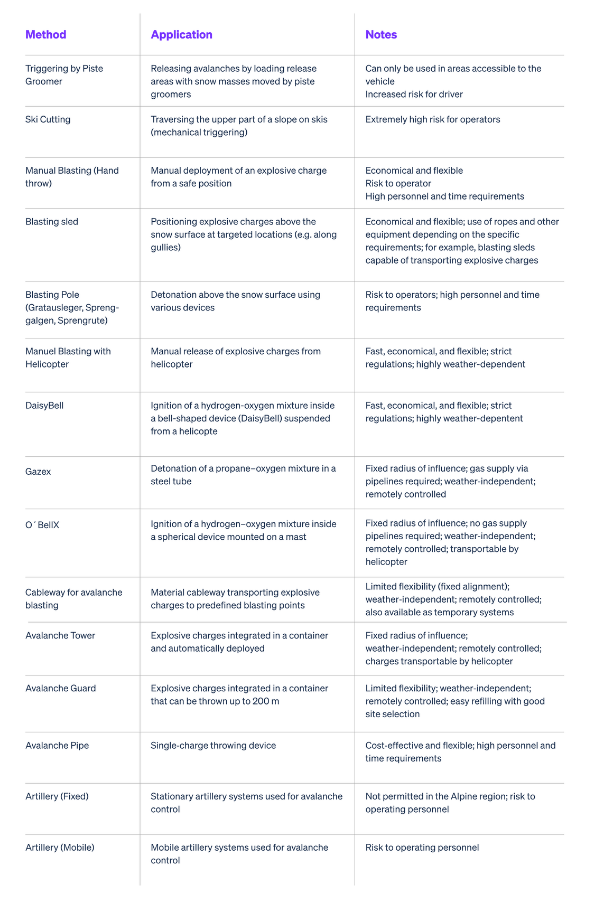
Download as PDF: Methods of artificial avalanche realease

Bibliographie:
Rudolf-Miklau, F. & Sauermoser, S. (2011): Handbuch zum technischen Lawinenschutz. Wilhelm Ernst & Sohn