DEEP

Infrastructure

This section is aimed specifically at experts. It contains topics and content that are of central importance for avalanche commissions and ski resort operators. They provide an in-depth technical basis for decisions and measures in the professional context of snow and avalanche risk management.
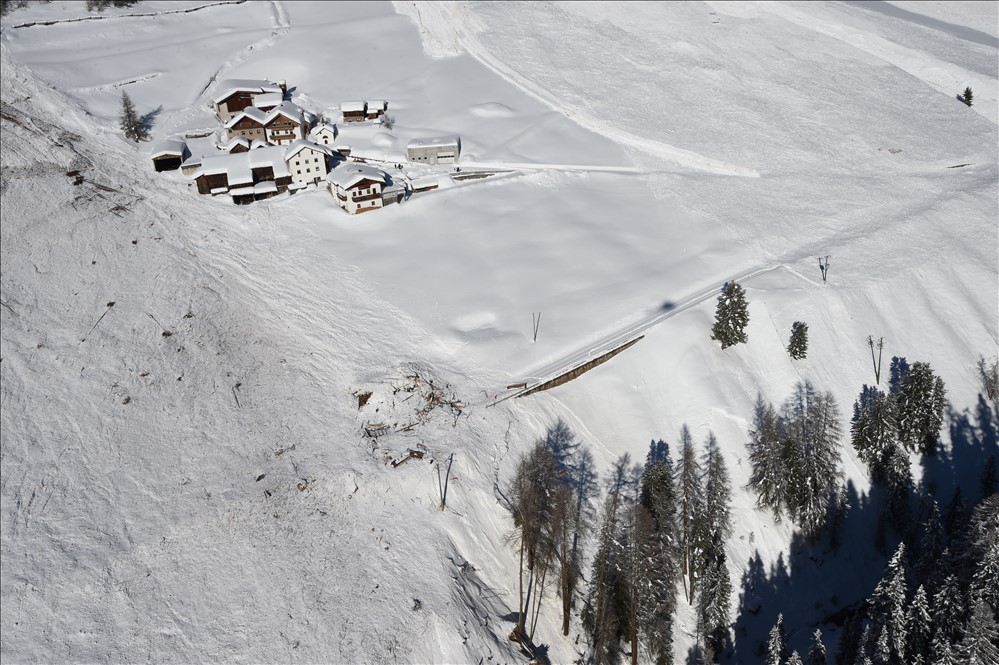
Von einer Lawine zerstörtes Gebäude in Langtaufers (Südtirol), 2018 © Agentur für Bevölkerungsschutz Südtirol | snow institute
Infrastructure

Spatial planning instruments

Maps are fundamental to the work of avalanche commissions. In addition to weather, terrain, and forest maps, specialized spatial planning tools—such as hazard maps—play a crucial role in evaluating and interpreting local avalanche risk.
Read more
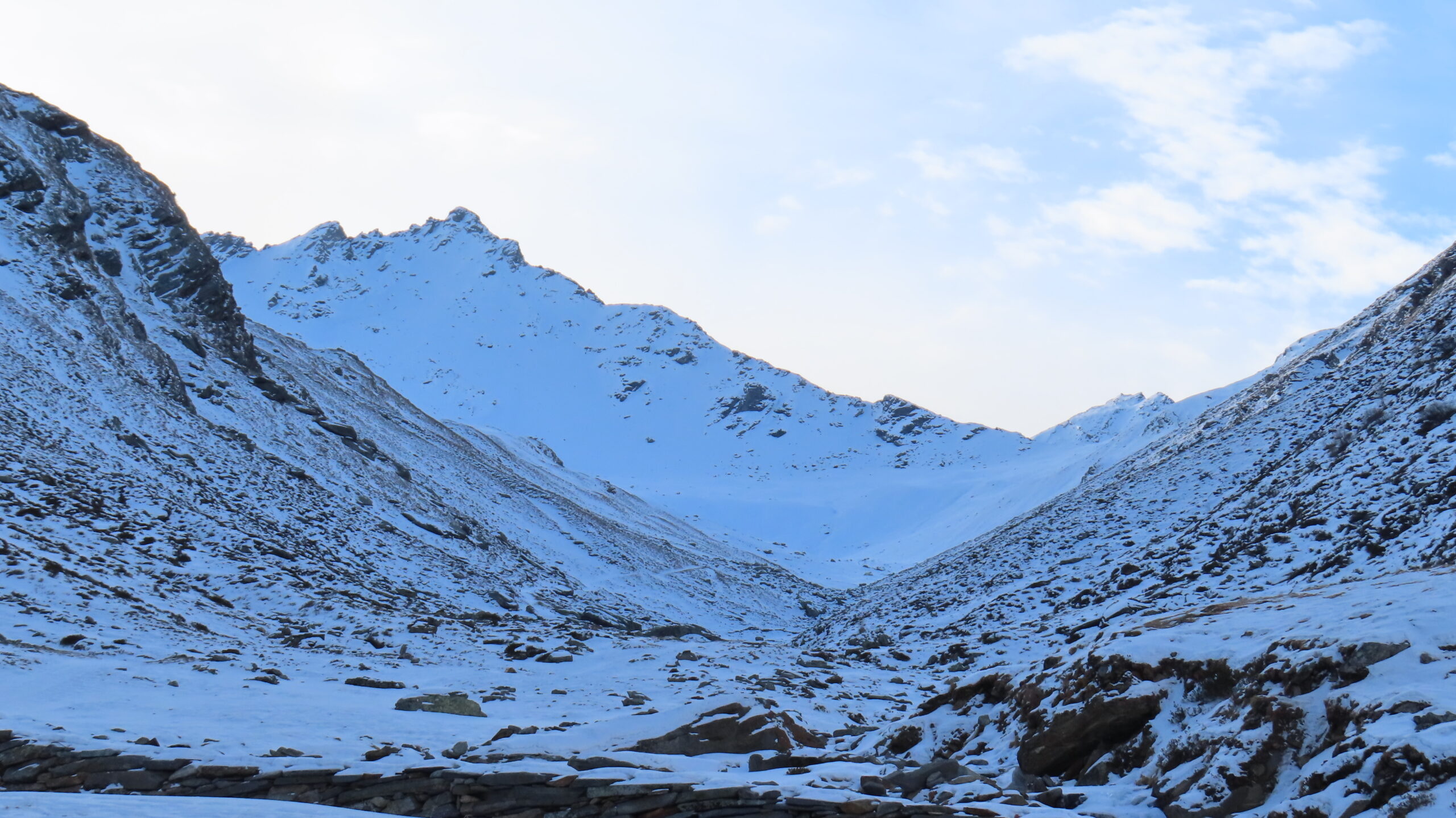
Unterdurchschnittlich hohe Schneedecke im Passeiertal, Mitte Jänner 2026 © Lukas Rastner | snow institute
Infrastructure

Avalanche protection and climate change

Climate change and shifting weather and precipitation patterns are increasingly altering the dynamics, frequency, and characteristics of avalanches. As a result, avalanche commissions – serving as key actors in local risk management – are facing evolving and increasingly complex challenges.

Read more
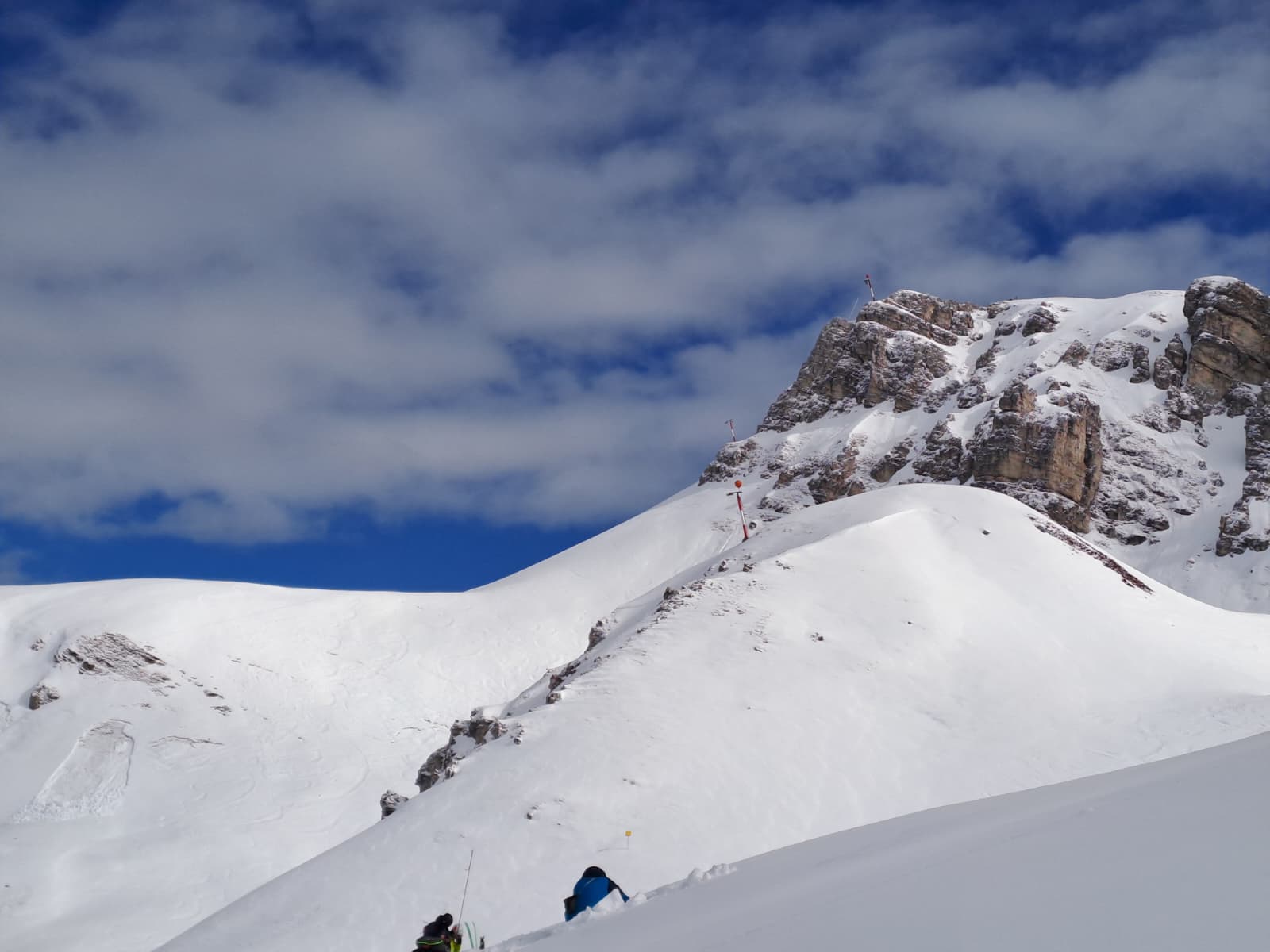
Lawinensprengseilbahn in der Axamer Lizum © A. Gasperi | snow institute
Infrastructure

Act – Measures: Artificial Avalanche Triggering

The targeted artificial triggering of avalanches is an effective method for minimizing avalanche risk. For this porpuse, various techniques are available, ranging from purely mechanical methods to the use of explosives and gas mixtures.

Read more
Stahlschneebrücken oberhalb des Skigebietes Pfelders © Lukas Ruetz | snow institute
Infrastructure

Permanent technical avalanche protection and its limits

Permanent technical avalanche protection comprises various structural measures designed to protect against avalanches. One of the responsibilities of avalanche commissions is to understand the functioning and the limitations of these protective measures; in addition, their continuous monitoring plays a crucial role.

Read more
© snow institute
Infrastructure

Act – Measures: warnings, closures, and evacuations

To mitigate avalanche risk, avalanche commissions have a range of measures at their disposal, including warnings of increased avalanche danger, road closures, the evacuation of people, or combinations of these measures. These measures aim to reduce the exposure of people and assets to avalanches and thereby decrease their vulnerability.

Read more
How avalanche commissions work | snow.institute
Infrastructure

Working methods of avalanche commissions

05.12.2025 Avalanche commissions produce local, evidence‑based risk assessments using a workflow that consists of the steps ‘perceive’, ‘assess’ and ‘act’, integrating daily monitoring with targeted

Read more
Perceive: Collecting data and creating observations | snow.institute
Infrastructure

Perceive: using data and doing observations

05.12.2025 Effective avalanche risk management relies on situational awareness, involving data analysis (e.g. weather, maps, bulletins…) and field observation (e.g. local condition, terrain, snow profiles…)

Read more
© Luca Messina | snow institute
Infrastructure

Acceptable and residual risk

05.12.2025 Moving from the illusion of total safety to pragmatic mitigation, managing acceptable and residual risk in avalanche zones. snow-arrow-down-black This article is about: 01

Read more