
Standard measures for freeriding

Standard measures, i.e. generally valid, effective and recognized recommendations for action to avoid risks, are always (!) applied – regardless of the type of group, the terrain or the current conditions.
Are the coatings of a rescue blanket to be used differently?
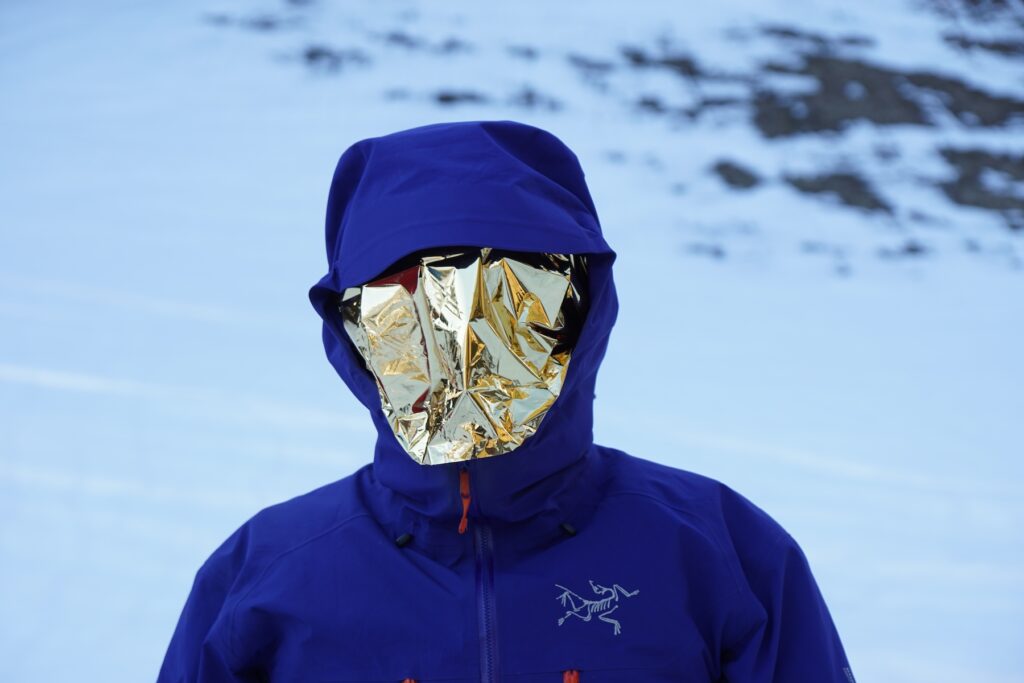
Most rescue blankets have a silver and a gold side. A common misconception is that one of these sides is supposed to keep you warm and the other cool. Unfortunately, this information is also printed on the packaging of many rescue blankets.
Do I need a new avalanche transceiver?

“Do you think I need a new avalanche transceiver?” is a question often asked by freeriders and course participants. Those who ask this question usually know themselves that the answer is “Yes!”. Unfortunately, avalanche accidents often reveal that the avalanche transceiver they were carrying was no longer fully functional and should no longer have been used.
What is the danger scale?

The most prominent information in the avalanche bulletin is the (avalanche) danger level. They are divided into a five-level scale and indicate the degree of avalanche danger.
What are sources of interference for avalanche transceivers?

All electronic devices and metal objects generate electromagnetic fields that can massively interfere with avalanche transceivers. If an electronic device is in the immediate vicinity of the avalanche transceiver in SEARCH mode, this can have fatal consequences.
Out and about in the ski area. Keyword: Communication

Communication is omnipresent. Whether freeriding on the mountain, teaching at school or in a private context with friends.
What to do in an emergency on the ski slope?

Even on a normal day on the slopes, something can happen. Regardless of whether you or your group is affected by an emergency or you are involved in an accident – you should be prepared for such an event.
From avalanche danger to avalanche risk … and why it depends on the terrain.

In alpine winter sports, too, “danger” is often and regularly confused with “risk” and these two terms are often used indistinctly. This also applies to “avalanche danger” and thus the “avalanche risk” that freeriders take.
The difference between secured and unsecured ski areas

The secured ski area includes ski slopes and ski routes that are prepared and protected from alpine dangers by the ski area operator.